Турбулентность — это самое непонятное явление в авиации. Оно вызывает ощущение опасности. Самолет трясёт, а у вас сжимается желудок. Мозг сразу же интерпретирует эти физические ощущения как угрозу конструкции самолёта. Может показаться, что крылья вот-вот сломаются или что самолёт сорвёт с неба.
Вот в чём заключается физика этой ситуации. Самолёт не отскакивает от воздуха. Он движется вместе с воздухом. Представьте себе рыбу, плавающую в океане во время шторма. Волны бурно поднимаются и опускаются. Разбивается ли рыба? Нет. Рыба движется вместе с водой. Самолёт находится в воздушной массе точно так же, как эта рыба находится в воде. Он плывёт по течению.
Структурные нагрузки, действующие на самолет во время турбулентности, ничтожно малы по сравнению с теми, на которые он рассчитан. Крылья не зря имеют гибкую конструкцию. Они действуют как амортизаторы. В ходе испытаний их изгибают на 15 метров вверх, и они не выходят из строя. Они способны выдерживать нагрузки, превышающие на 156 % те, которые может создать даже самая сильная турбулентность.
За 120 лет истории авиации ни разу не было аварии, вызванной непосредственно турбулентностью. Такого просто не было. Пилоты знают об этом. Именно поэтому мы не боремся с турбулентностью. Мы отключаем автопилот и позволяем самолету «плыть» по волнам.
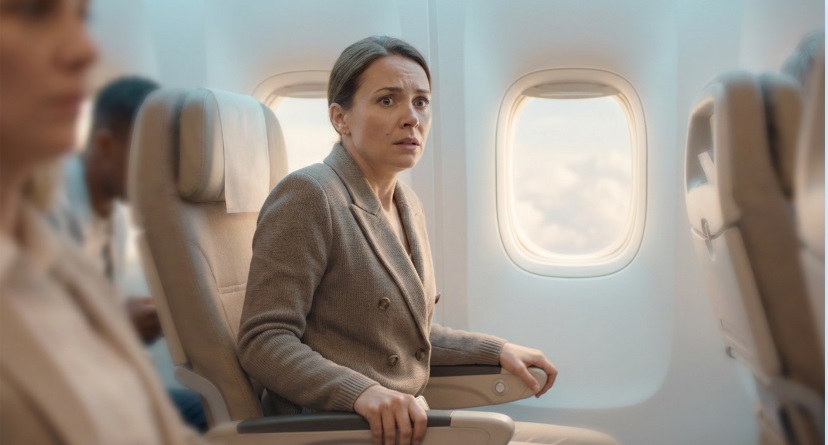
Ощущение опасности, которое вы испытываете, на самом деле является воспоминанием. Турбулентность вызывает физическое сотрясение. Это сотрясение пробуждает соматические воспоминания о моментах в прошлом, когда вы чувствовали себя неустойчиво или лишенными опоры. Ваша нервная система ощущает вибрацию и подает сигнал тревоги. Она интерпретирует дискомфорт как опасность. Мы должны разделить эти два понятия. Турбулентность доставляет дискомфорт. Она раздражает. Из-за неё может пролиться кофе. Но она не представляет опасности.