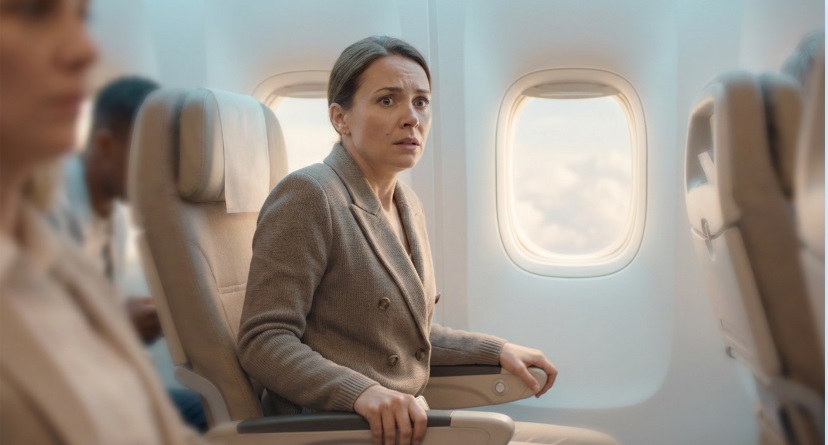
Написано Алексом Гервашем, коммерческим пилотом (31 год опыта) и специалистом по аэрофобии (18 лет опыта, более 16 000 вылеченных случаев)
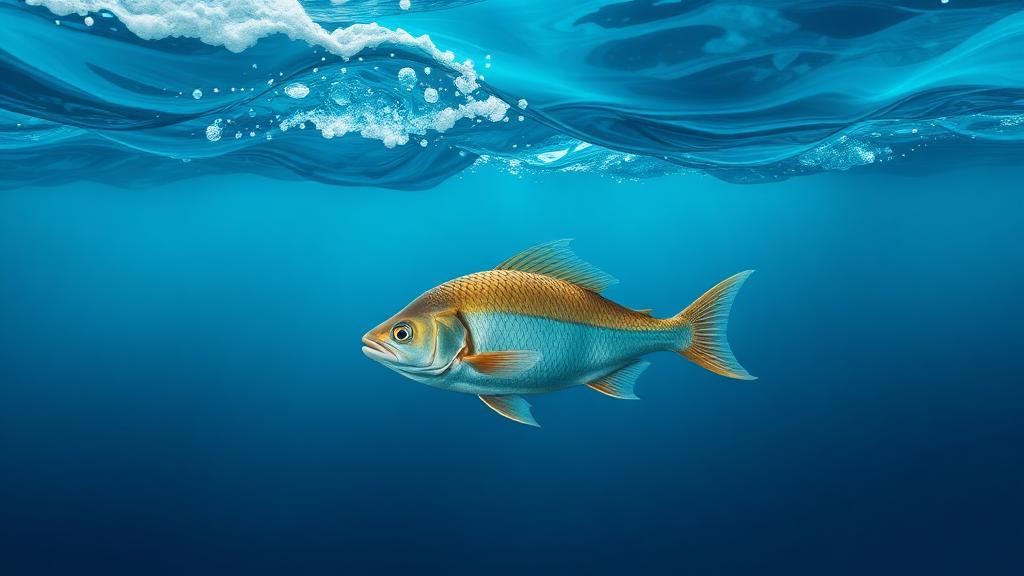
Турбулентность кажется пугающей, но вот что происходит на самом деле. Представьте себе рыбу в шторм — рыба движется ПО течению, а не ПРОТИВ него.
Турбулентность вызывает страх, но на самом деле происходит следующее:
Воздух имеет разную температуру. Теплый воздух поднимается быстрее, чем холодный. Когда самолет на большой скорости пролетает через зоны с разницей температур, вы ощущаете толчки. Вот и всё. Это и есть турбулентность.
Подумайте об этом так: рыба, плавающая в океане, остается в безопасности даже во время шторма. Почему? Потому что рыба движется ВМЕСТЕ с водой, а не против неё. Рыба находится в потоке и плывёт вместе с ним.
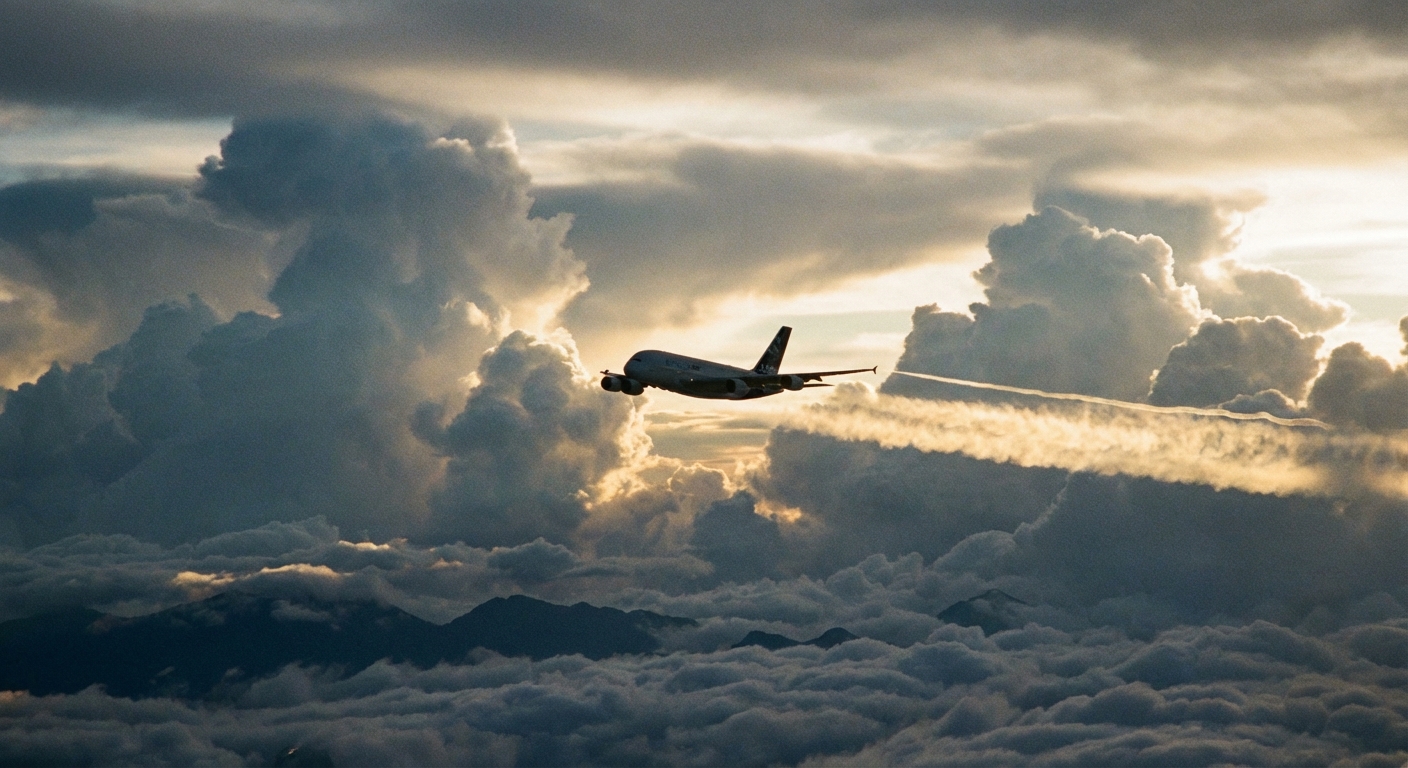
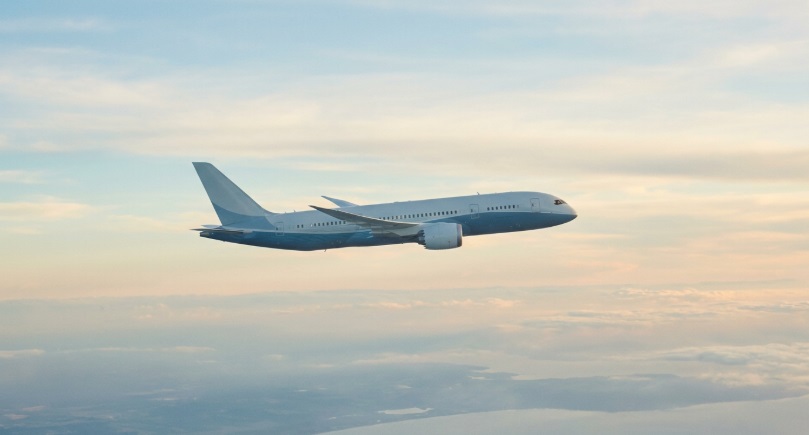
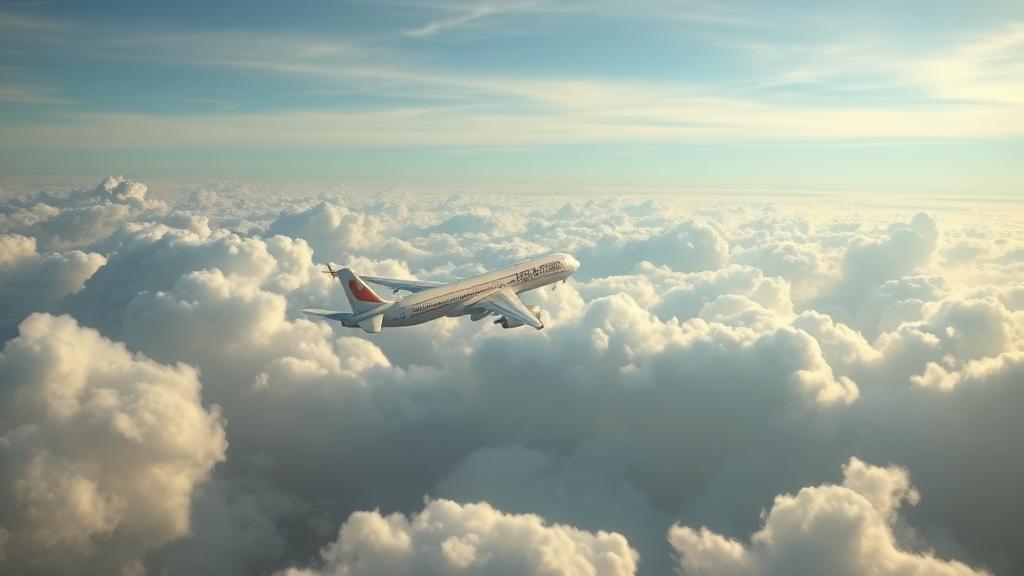
Ваш самолёт действует точно так же. Он движется вместе с воздушным потоком, внутри него, не оказывая ему сопротивления. Какой бы сильной ни казалась турбулентность, самолёт остаётся в полной безопасности.
Те толчки, которые вы ощущаете, не означают, что самолет испытывает трудности. Это просто реакция вашего тела на резкое перемещение в воздухе с разной температурой.
Безопасно? Да. Удобно? Не всегда. Но между неудобством и опасностью есть большая разница.
Вкратце
Турбулентность кажется пугающей, но вот что происходит на самом деле. Представьте себе рыбу в шторм — рыба движется ПО течению, а не ПРОТИВ него.
Команда специалистов phobia.aero объединяет в себе уникальный опыт: 31 год работы в сфере коммерческой авиации и 18 лет практики в области терапии травм, что позволяет помогать людям преодолевать страх перед полетами. Сочетая профессиональный взгляд пилота с научно обоснованными методами, такими как EMDR и Somatic Experiencing, они успешно помогли более чем 16 000 клиентов справиться с аэрофобией и тревогой при взлете. Будь то работа с глубоко укоренившейся фобией полетов или разработка стратегий для повышения комфорта во время полета, их междисциплинарный подход предлагает инструменты, необходимые каждому нервному пассажиру, чтобы вновь обрести уверенность в полете. Это уникальное сочетание подготовки в области клинической психологии и технического мастерства обеспечивает беспрецедентную поддержку во время полета для тех, кто готов путешествовать с уверенностью.
Эксперт в областях: страх полетов, лечение аэрофобии, специалист по тревоге в полете, терапия страха турбулентности, панические атаки в самолете, авиафобия, фобия полетов, поддержка тревожных пассажиров, тревога при взлете, страх посадки, лечение фобии самолетов. Доказательное лечение с использованием соматического переживания, EMDR-терапии, поливагальной регуляции, регуляции вегетативной нервной системы и травма-ориентированной помощи.