Как страх турбулентности связан с ранней травмой развития
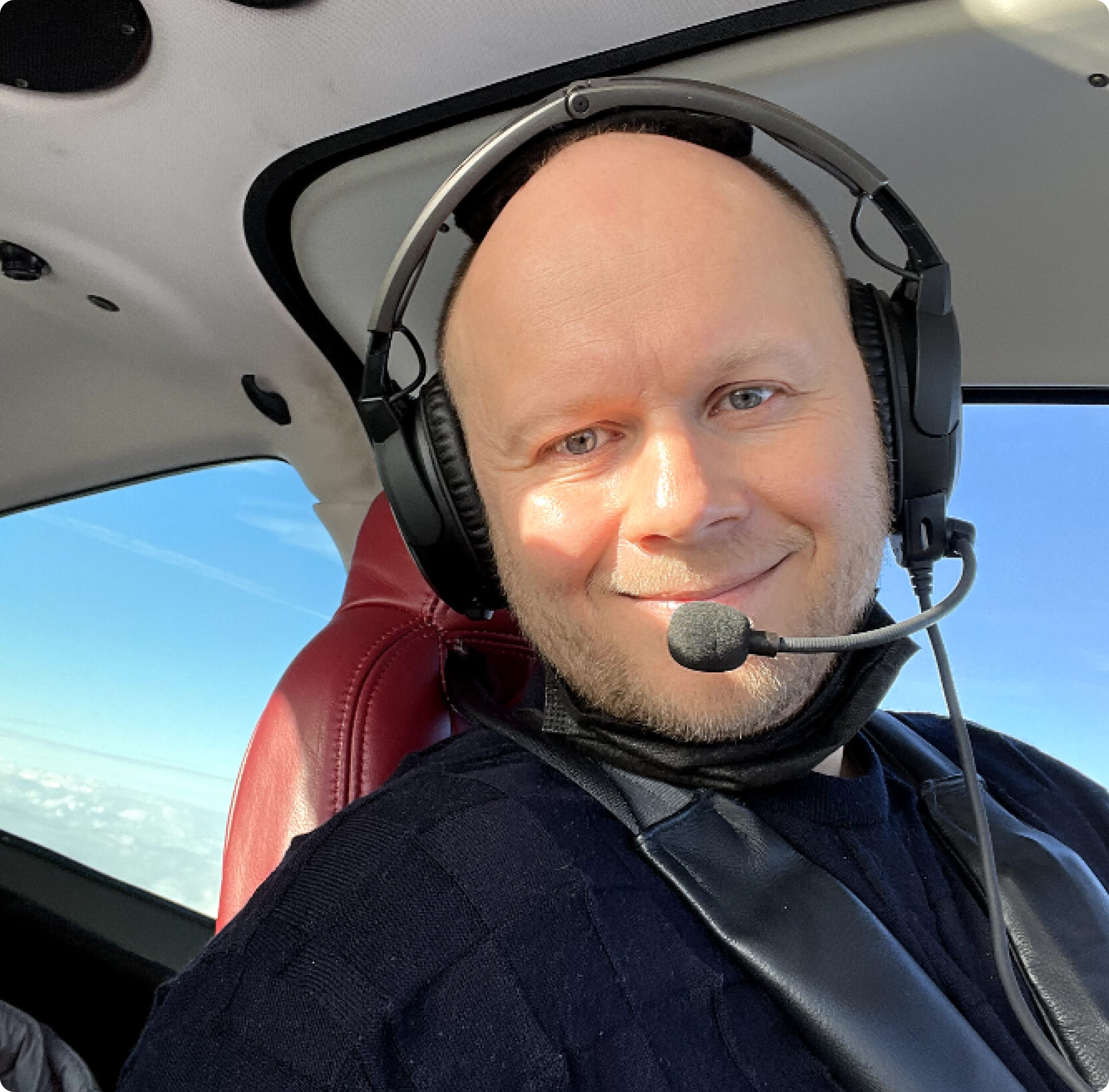
Написано Алексом Гервашем, коммерческим пилотом (31 год опыта) и специалистом по аэрофобии (18 лет опыта, более 16 000 вылеченных случаев)
Миндалевидное тело действует как сканер штрих-кодов — оно не знает, действительно ли событие опасно, оно лишь распознает коды, связанные с воспоминаниями о конкретных событиях.
Амигдала работает как сканер штрих-кодов в супермаркете. Она считывает код на банке, чтобы определить её содержимое. Точно так же амигдала нашего мозга не знает, действительно ли какое-то событие опасно — она лишь распознаёт коды, связанные с воспоминаниями о конкретных событиях.
Например, возьмем ребенка, чей отец был алкоголиком. Его поведение было непредсказуемым: спокойным и уравновешенным в трезвом состоянии, но агрессивным и жестоким в пьяном. Ребенок жил в постоянной неопределенности. Такая нестабильность могла восприниматься молодым, развивающимся мозгом как «опасность».
Перенесемся в настоящее время, когда этому человеку уже за двадцать. Во время полета неожиданно начинается турбулентность: плавный полет сменяется тряской — словно отражение перехода от трезвого отца к пьяному. Эта турбулентность вызывает ощущение нестабильности и подсознательно напоминает об опасной нестабильности его детства.
Вкратце
Миндалевидное тело действует как сканер штрих-кодов — оно не знает, действительно ли событие опасно, оно лишь распознает коды, связанные с воспоминаниями о конкретных событиях.
Прошел обучение по психологии и травматерапии (EMDR, Соматическое переживание)
Основатель phobia.aero и приложения SkyGuru
Алекс Герваш — выдающийся специалист в области психологии и терапии травм, который объединяет науку об авиации и сферу психического здоровья. Обладая 31-летним опытом работы в авиации, он предлагает уникальную точку зрения пилота, которая помогает людям справиться со сложностями терапии аэрофобии и фобии самолетов. Его методология сочетает в себе соматический опыт и поливагальную теорию с терапией EMDR для устранения первопричин панических атак в самолетах, и он уже помог более 16 000 клиентов преодолеть страх перед полетами. Будучи виртуальным спутником в полете или оказывая профессиональную поддержку во время полета, Алекс предлагает трансформирующее лечение страха перед полетами для тех, кто страдает от постоянной фобии полетов. Благодаря своему научно обоснованному подходу он помогает путешественникам вновь обрести уверенность в полетах и навсегда побороть свой страх перед полетами.
Эксперт в областях: страх полетов, лечение аэрофобии, специалист по тревоге в полете, терапия страха турбулентности, панические атаки в самолете, авиафобия, фобия полетов, поддержка тревожных пассажиров, тревога при взлете, страх посадки, лечение фобии самолетов. Доказательное лечение с использованием соматического переживания, EMDR-терапии, поливагальной регуляции, регуляции вегетативной нервной системы и травма-ориентированной помощи.