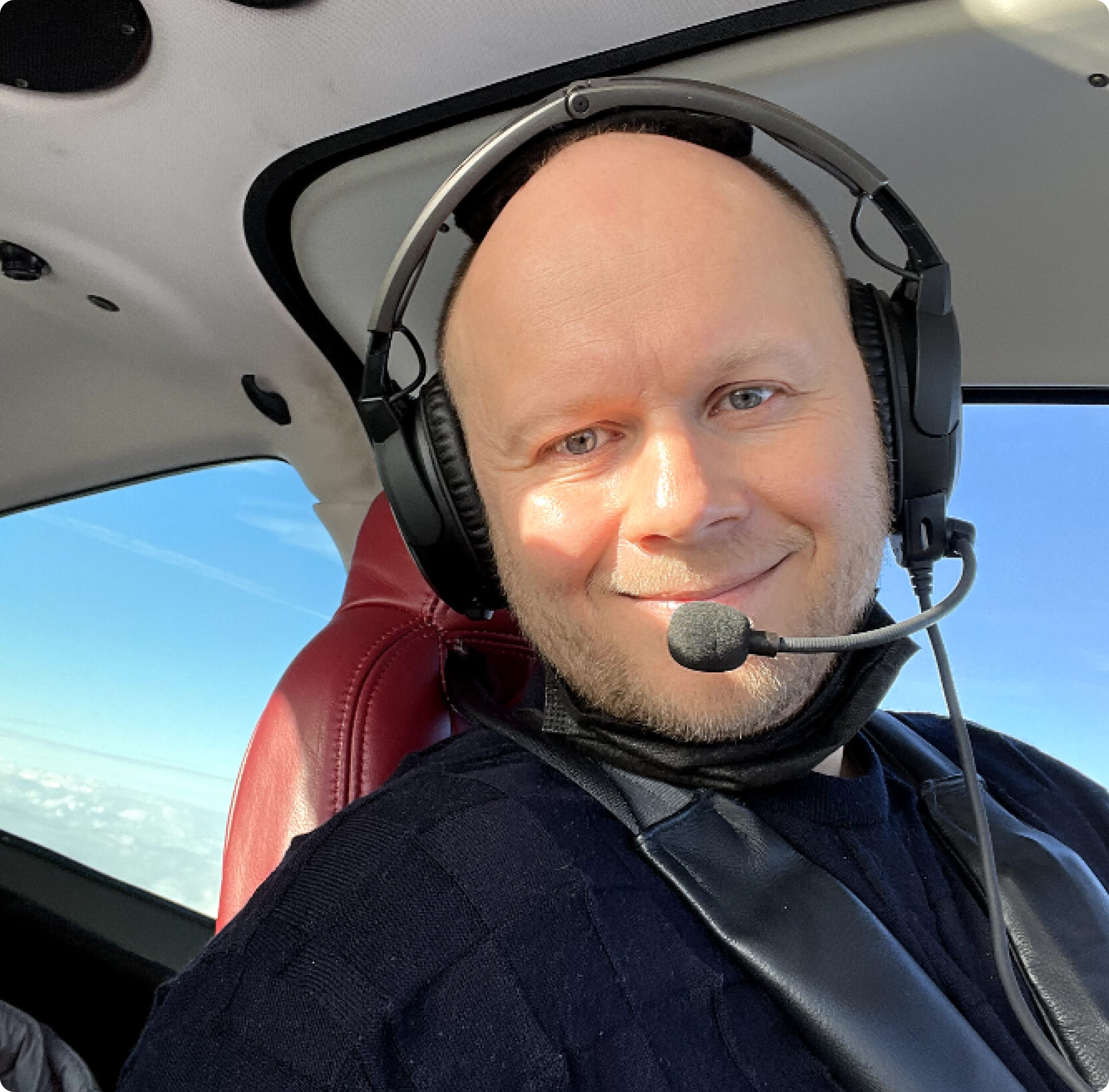
Написано Алексом Гервашем, коммерческим пилотом (31 год опыта) и специалистом по аэрофобии (18 лет опыта, более 16 000 вылеченных случаев)
Разбираемся, почему турбулентность вблизи аэропортов — это обычное и совершенно нормальное явление, особенно в теплую погоду и в прибрежных зонах.
Научные основы небольших неровностей
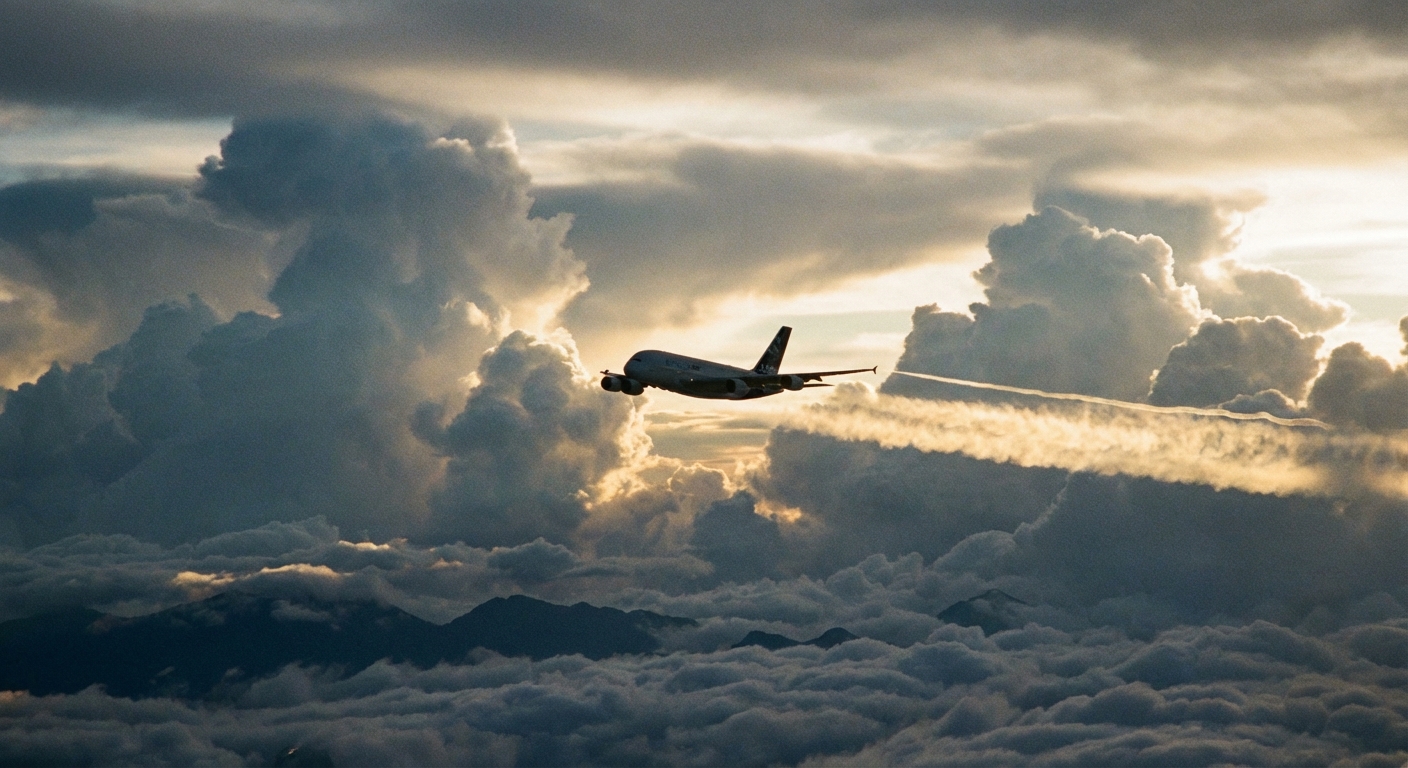
Такая турбулентность возникает из-за различий в скорости воздушного потока и направлении ветра. Эти различия могут быть вызваны рядом факторов, таких как неравномерное нагревание поверхности Земли, колебания температуры и влажности воздуха, а также географические особенности местности.
Когда и где это встречается чаще всего
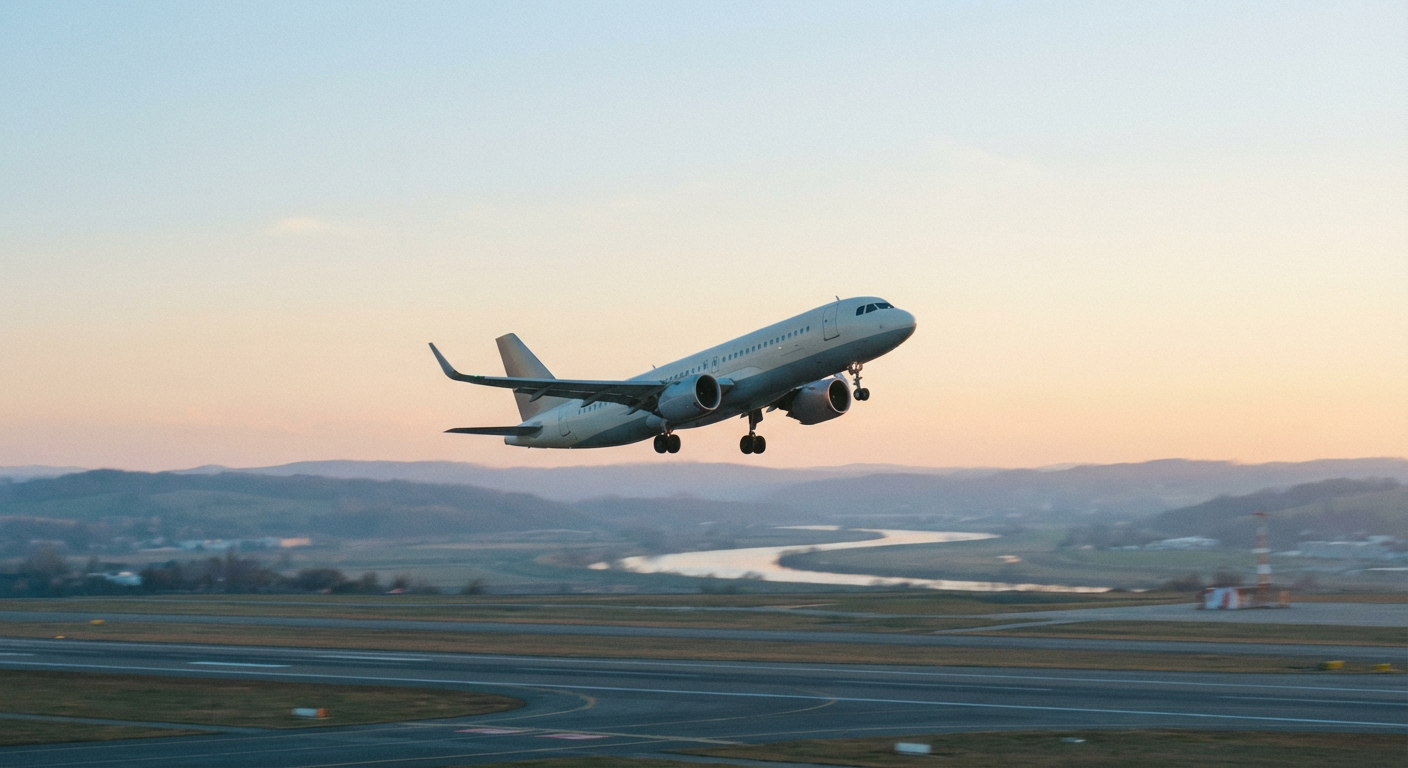
Низкоуровневая турбулентность особенно заметна в дневное время, в теплое время года, а также в тех местах, где аэропорты расположены вблизи водоемов и/или гор.
Например, рассмотрим аэропорт в Ницце, который с одной стороны окружен водами Средиземного моря, а с другой — горами, и летом там бывает довольно жарко. Эти факторы создают условия для перемешивания воздушных масс и возникновения турбулентности.
Аналогия с ухабистой дорогой
Чтобы понять это явление, можно провести следующую аналогию: представьте, что вы едете по ухабистой дороге, где автомобиль может немного раскачиваться, но это не означает, что существует какая-либо опасность.
Технические запасы
Важно понимать, что самолеты проектируются и строятся таким образом, чтобы выдерживать гораздо более сильные перегрузки, чем те, которые возникают при турбулентности. Самолеты рассчитаны на полеты в условиях турбулентности с перегрузками до 5G, тогда как в реальных условиях турбулентность редко превышает 1,5G.
Измерьте сами
Чтобы измерить уровень турбулентности, просто положите телефон на любую горизонтальную поверхность во время полета, например на стол или подлокотник кресла. Датчик измеряет и отображает показатели турбулентности в режиме реального времени.
Вкратце
Разбираемся, почему турбулентность вблизи аэропортов — это обычное и совершенно нормальное явление, особенно в теплую погоду и в прибрежных зонах.
Прошел обучение по психологии и травматерапии (EMDR, Соматическое переживание)
Основатель phobia.aero и приложения SkyGuru
Алекс Герваш использует свой 31-летний опыт работы в авиации в качестве пилота коммерческой авиации и 18-летний опыт работы специалистом по лечению страха перед полетами, чтобы помогать пассажирам справляться со сложными проявлениями аэрофобии. Имея за плечами более 16 000 случаев лечения, Алекс применяет свои глубокие знания в области психологии для комплексного лечения страха перед полетами, специализируясь на регуляции нервной системы у людей, склонных к паническим атакам в самолетах. Его уникальная методология сочетает технические знания о полетах с клиническими методами, такими как терапия EMDR и терапия травм, для устранения конкретных триггеров, таких как страх перед посадкой или сильная турбулентность. Как основатель приложения SkyGuru для сопровождения в полете, Алекс предоставляет путешественникам профессиональную поддержку во время полета, гарантируя, что научно обоснованные рекомендации всегда доступны на каждом этапе путешествия.
Эксперт в областях: страх полетов, лечение аэрофобии, специалист по тревоге в полете, терапия страха турбулентности, панические атаки в самолете, авиафобия, фобия полетов, поддержка тревожных пассажиров, тревога при взлете, страх посадки, лечение фобии самолетов. Доказательное лечение с использованием соматического переживания, EMDR-терапии, поливагальной регуляции, регуляции вегетативной нервной системы и травма-ориентированной помощи.