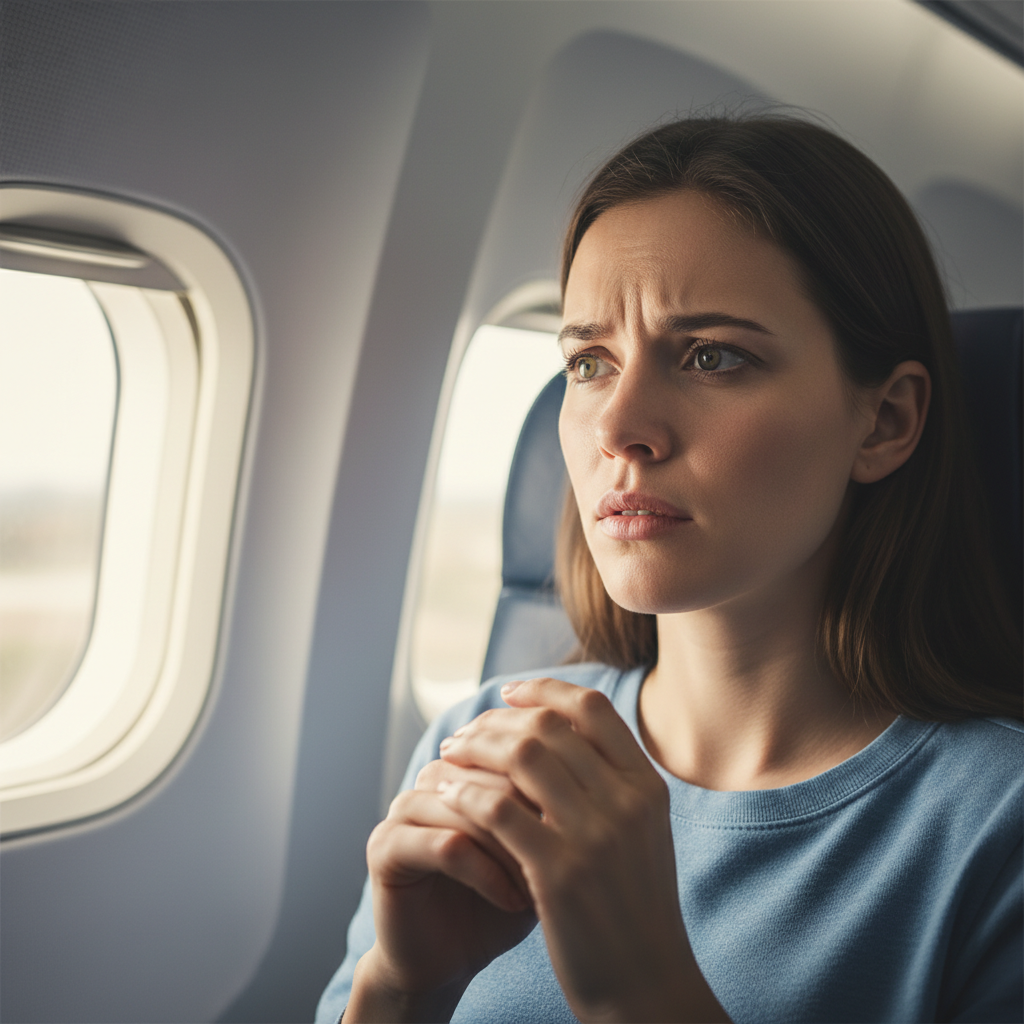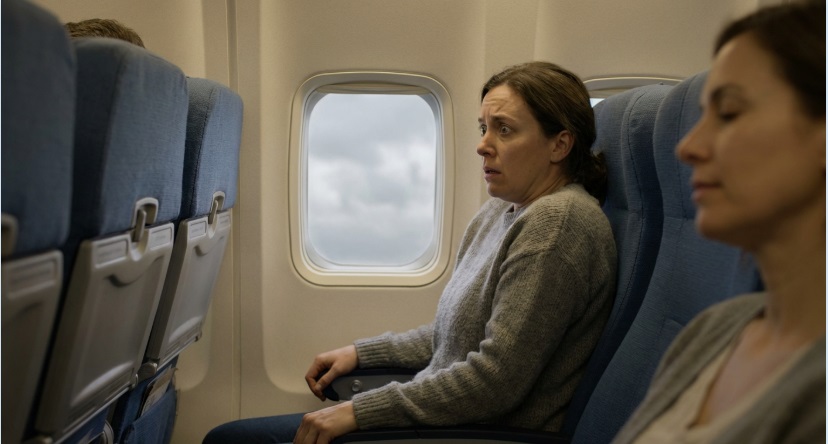
Раньше у тебя всё было в порядке. Может, ты и не был уверенным пассажиром, но справлялся. А потом это случилось. Приступ паники в самолете.
До приступа паники полеты были для меня неприятными. После приступа паники полеты стали невозможными. Или, по крайней мере, казались невозможными. Я работал с тысячами людей, которые связывают свой страх перед полетами с одним-единственным приступом паники. Не с ситуацией, близкой к авиакатастрофе. Не с чрезвычайной ситуацией. С приступом паники, который произошёл исключительно внутри их собственного тела во время совершенно обычного полёта.
Что на самом деле произошло
Паническая атака — это внезапная и интенсивная активация симпатической нервной системы. Ваш организм наполнился адреналином и кортизолом. Частота сердечных сокращений резко возросла. Дыхание стало учащенным и поверхностным. Возможно, вы почувствовали головокружение, тошноту или ощущение нехватки воздуха. Возможно, вы почувствовали покалывание в руках и ногах.
И, возможно, вы подумали: «Я умираю. У меня сердечный приступ. Я сейчас потеряю сознание. Я сойду с ума».
Ничего из этого не происходило. Ваш организм проявлял идеально отработанную реакцию самосохранения в ситуации, когда в ней не было никакой необходимости. Это была ложная тревога необычайной силы.
Почему это меняет всё
Сама по себе паническая атака не представляла опасности. Но именно воспоминание о ней наносит долговременный ущерб. В вашей нервной системе теперь сформировался «шаблон угрозы», включающий в себя все элементы обстановки в самолете: звуки, запахи, физические ощущения, замкнутое пространство.
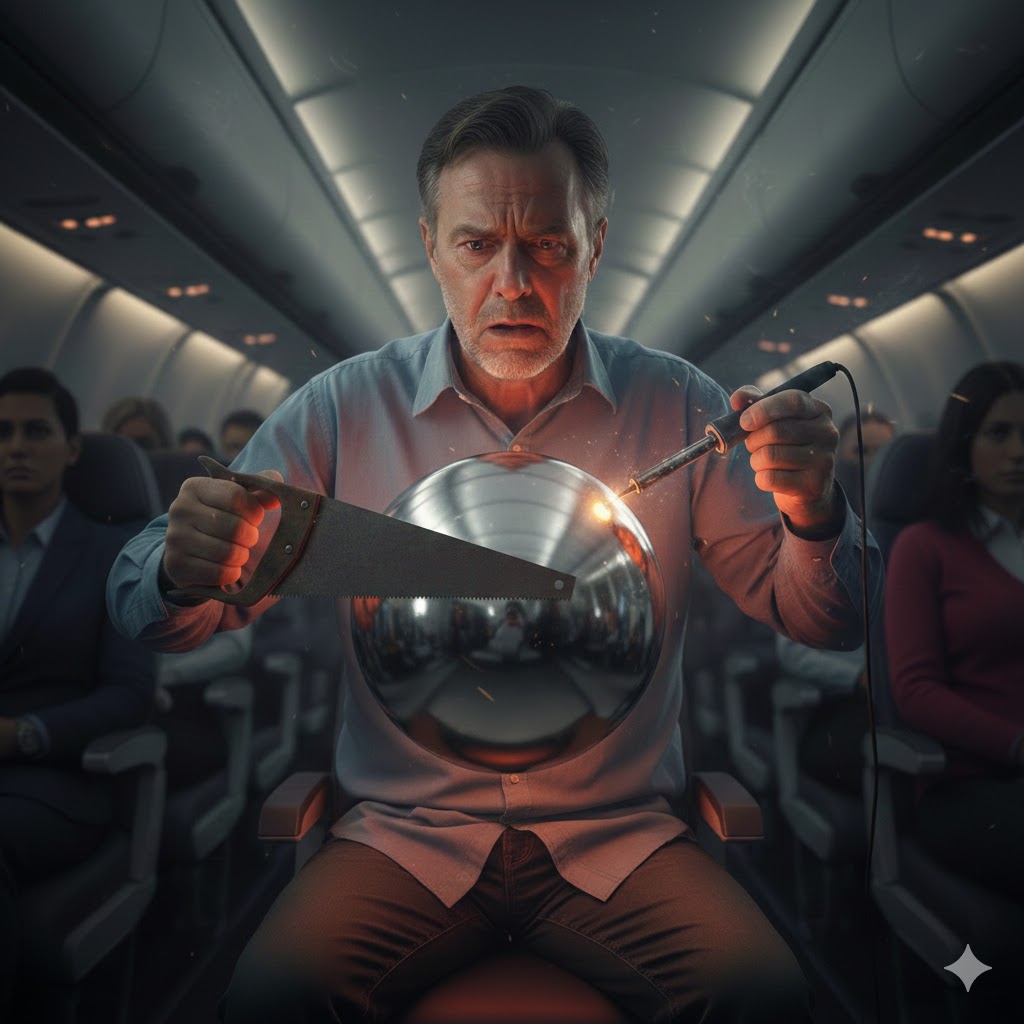
И возникает второй страх: страх перед самой панической атакой. Вы больше не боитесь самолета. Вы боитесь того, как поведет себя ваше собственное тело в самолете. Это страх перед страхом. И он является одним из самых сильных факторов, поддерживающих паническое расстройство.
Что действительно помогает
Поймите, как работает цикл паники. Ощущение → интерпретация → страх → новые ощущения → новый страх. Этот каскад самоусиливающийся. Но его можно прервать в любой момент.
Измените свое восприятие. Не с помощью позитивного мышления, а благодаря правильному пониманию. Моё сердце бьётся быстро, потому что в моём организме выделяется адреналин. Адреналин заставляет моё сердце биться быстрее. Это неприятно, но не опасно. Моё сердце способно справиться с этим.
Научитесь просто принимать эти ощущения, а не бороться с ними или пытаться их остановить. У приступа паники есть свой естественный срок. Адреналин распадается. Организм не может бесконечно находиться в состоянии максимальной активизации. Если перестать подливать масла в огонь, он сам по себе погаснет.
Обработайте первоначальное травматическое воспоминание. Такие методы, как EMDR, Brainspotting или Somatic Experiencing, могут помочь нервной системе завершить стрессовую реакцию, которая застряла во время первоначального события.
Хронология восстановления
Выздоровление не наступает мгновенно. Но у большинства людей заметные улучшения наблюдаются в течение нескольких недель или месяцев. Первые полеты после приступа паники редко бывают комфортными. Но с ними можно справиться. И именно в этом и заключается цель.
Каждый успешный полет обновляет «шаблон угрозы». Сигнал тревоги по-прежнему срабатывает. Но он звучит уже не так громко. И постепенно, полет за полетом, нервная система перенастраивается.
Вы не начинаете с нуля. Ваша нервная система пережила сильный стресс и сработала, чтобы защитить вас. Теперь ваша задача — двигаться дальше, вооружившись новыми знаниями и новыми инструментами.