Написано Алексом Гервашем, коммерческим пилотом (31 год опыта) и специалистом по аэрофобии (18 лет опыта, более 16 000 вылеченных случаев)
Вы следите за лицами бортпроводников в поисках признаков опасности? Вот почему эта стратегия не работает.
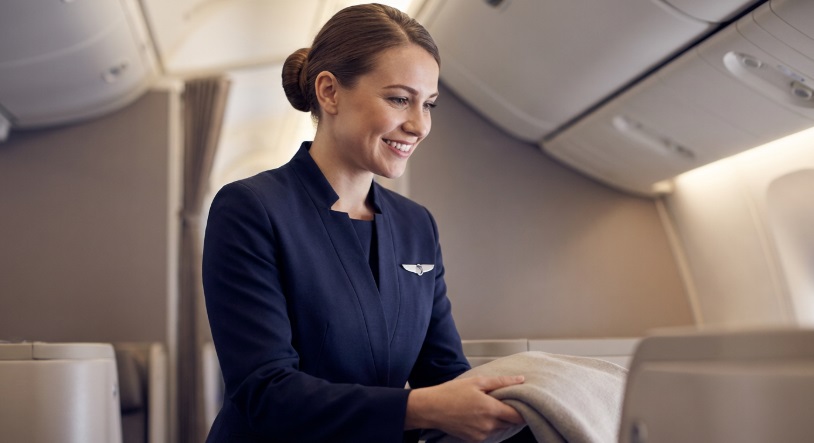
Вы постоянно наблюдаете за стюардессами, пытаясь уловить на их лицах признаки опасности?
«Если они выглядят спокойными, значит, я в безопасности. Если они выглядят обеспокоенными, значит, что-то не так».
Дело в том, что стюардессы — это люди со своей жизнью, проблемами и эмоциями.
Возможно, она только что поссорилась со своим партнером. Возможно, он переживает из-за больного родителя. Возможно, она измотана после трёх рейсов подряд. Возможно, ему приходится иметь дело с грубым пассажиром в 12-м ряду.
Все это не имеет никакого отношения к безопасности полетов.
Но ваш встревоженный мозг об этом не знает. Он сканирует их лица в поисках признаков опасности. И если он замечает хмурый или обеспокоенный взгляд (а у людей это бывает по тысяче причин), он делает вывод: «Видишь? Даже ОНИ волнуются!»
Правда? Бортпроводники обучены спокойно реагировать на чрезвычайные ситуации. Если бы возникла реальная проблема, вы бы узнали об этом благодаря четкому информированию, а не по выражению лиц.
Перестаньте рассматривать их выражение лица как показатель своей безопасности. Вы улавливаете сигналы, которых на самом деле нет.
Вкратце
Вы следите за лицами бортпроводников в поисках признаков опасности? Вот почему эта стратегия не работает.
Алекс привносит в phobia.aero уникальный двойной подход, сочетая 31 год глубоких знаний о работе в кабине пилота с 18 годами специализированного опыта помощи более чем 16 000 человек в преодолении аэрофобии. Имея образование в области психологии, Алекс использует научно обоснованные методы, такие как EMDR, КБТ и соматический опыт, для устранения первопричин фобии полетов и страха перед турбулентностью. Сосредоточиваясь на регуляции нервной системы, Алекс предоставляет клиентам практические стратегии, необходимые для управления приступами паники в самолетах и обретения длительного облегчения от тревоги перед полетом. Этот комплексный подход к терапии аэрофобии гарантирует, что люди, страдающие фобией полетов, смогут наконец-то вернуть себе свободу путешествовать без постоянного страха перед полетами.
Эксперт в областях: страх полетов, лечение аэрофобии, специалист по тревоге в полете, терапия страха турбулентности, панические атаки в самолете, авиафобия, фобия полетов, поддержка тревожных пассажиров, тревога при взлете, страх посадки, лечение фобии самолетов. Доказательное лечение с использованием соматического переживания, EMDR-терапии, поливагальной регуляции, регуляции вегетативной нервной системы и травма-ориентированной помощи.