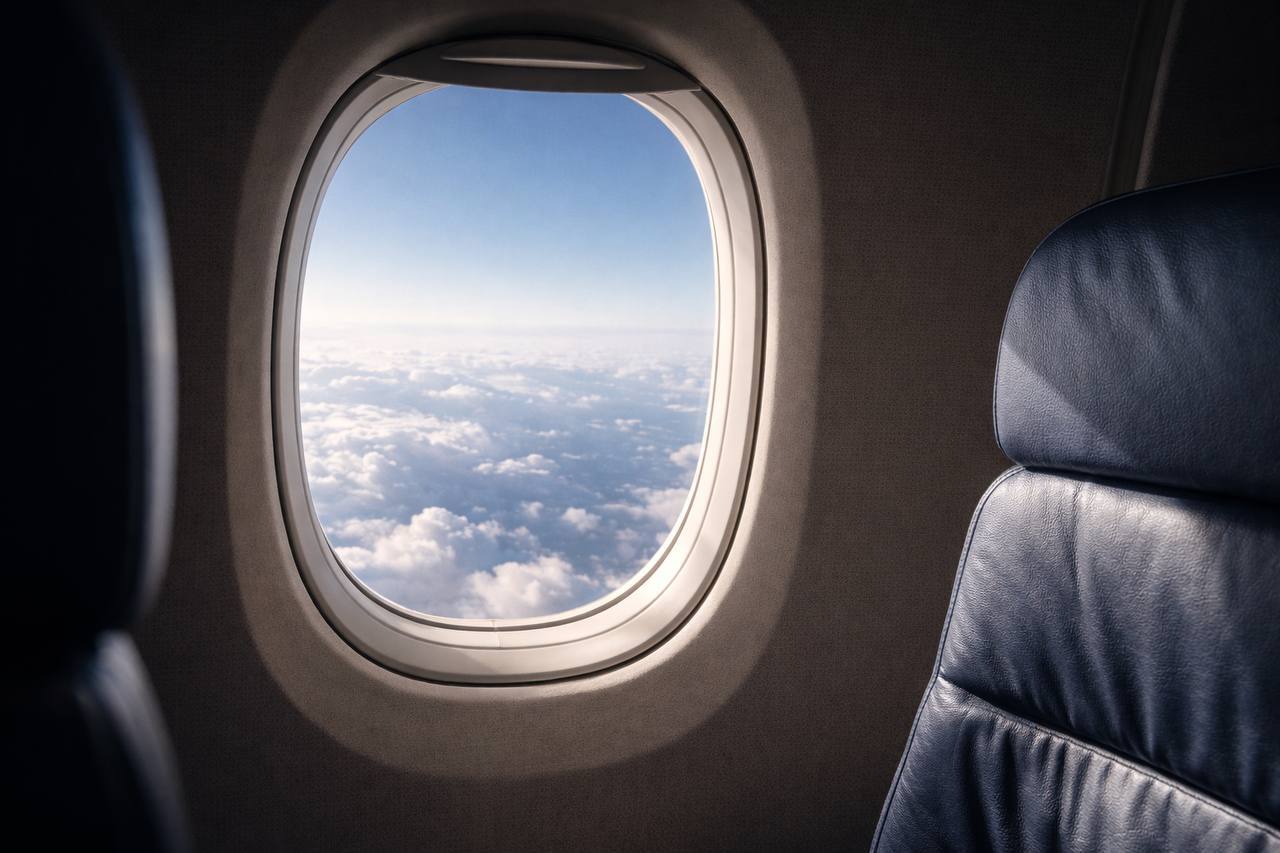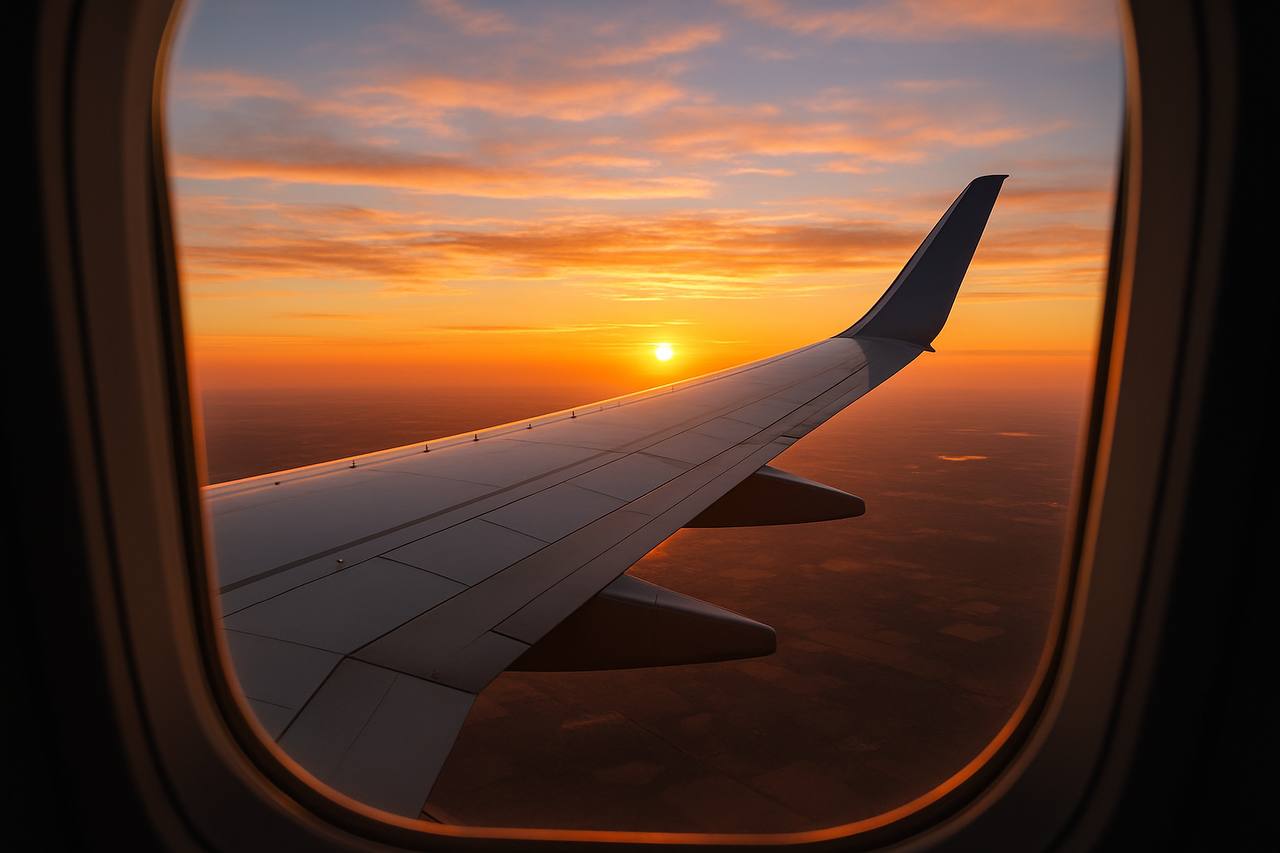
Глядя в иллюминатор и видя землю в 10 километрах внизу, можно испытать страх. Чувствуешь себя уязвимым. Думаешь: «До земли так далеко. Если мы упадем, нам конец». Высота пробуждает первобытный страх падения. Хочется оказаться поближе к земле, где чувствуешь себя в безопасности.
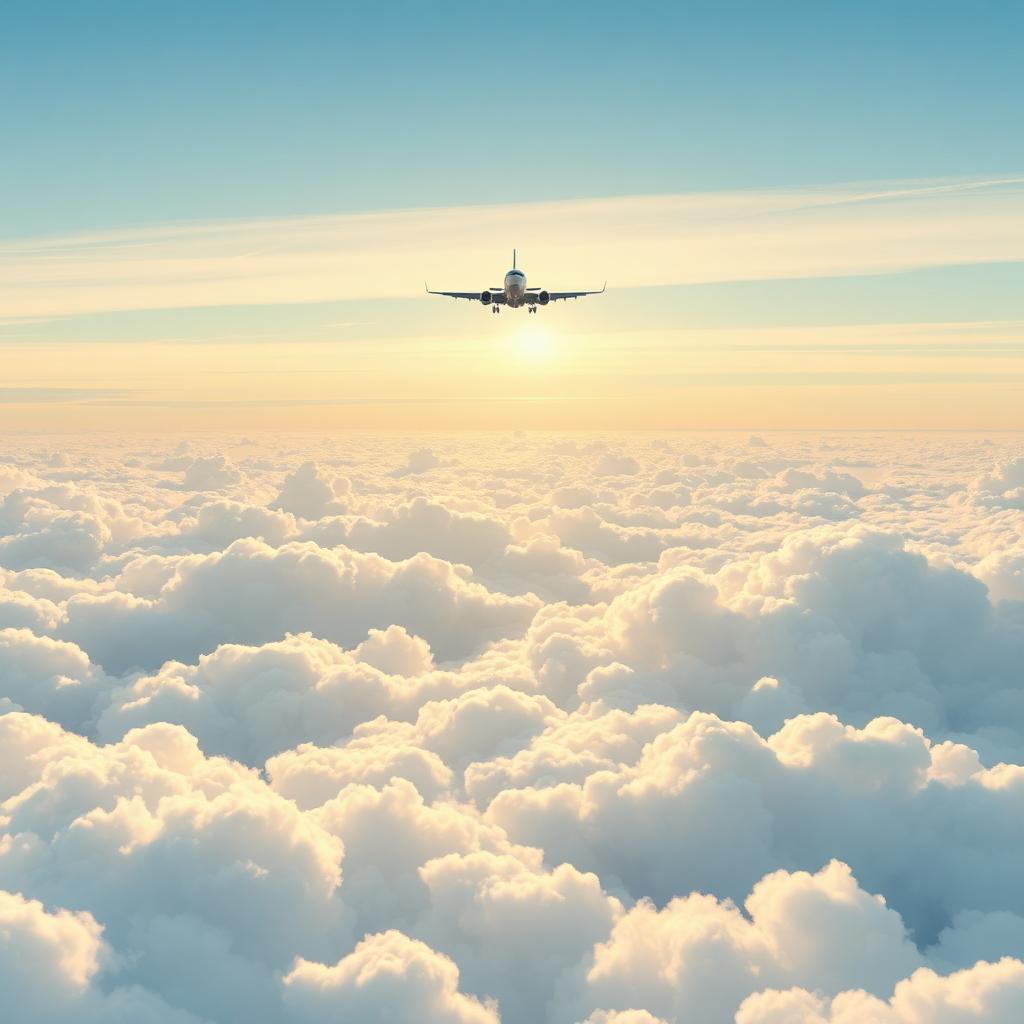
В авиации высота — это полная противоположность опасности. У нас есть поговорка: «Скорость — это жизнь, высота — это страховка жизни». Высота — это ресурс. Это как деньги в банке. Если на высоте 30 000 футов что-то пойдет не так, у пилотов есть время. У них есть расстояние. У них есть варианты. Они могут пожертвовать этой высотой ради скорости, чтобы самолет продолжал лететь. У них есть двадцать или тридцать минут, чтобы устранить неисправность, связаться с техническим персоналом на земле и спланировать посадку.
Если вы находитесь низко над землей, у вас нет времени. У вас нет запаса прочности. Вот почему мы поднимаемся высоко. Мы летим на высоте от 30 000 до 40 000 футов, чтобы оказаться выше погодных явлений и обеспечить себе значительный запас безопасности. Ваш мозг воспринимает расстояние от земли как риск. Вам нужно изменить это восприятие. Каждый фут высоты — это фут безопасности.
Этот страх часто связан с недостатком поддержки в вашей жизни. Если вам кажется, что вы идете по канату без страховочной сетки, то высота воспринимается как опасное место. Но воздух на этой высоте — это и есть страховочная сетка. Скорость — это страховочная сетка. Избыточность — это страховочная сетка. Там, наверху, вы получаете больше поддержки, чем здесь, внизу. «Длинный путь вниз» на самом деле — это достаточное время, чтобы исправить всё, что может потребовать исправления.