Пилоты «мигают фарами», чтобы предупредить о камерах контроля скорости?
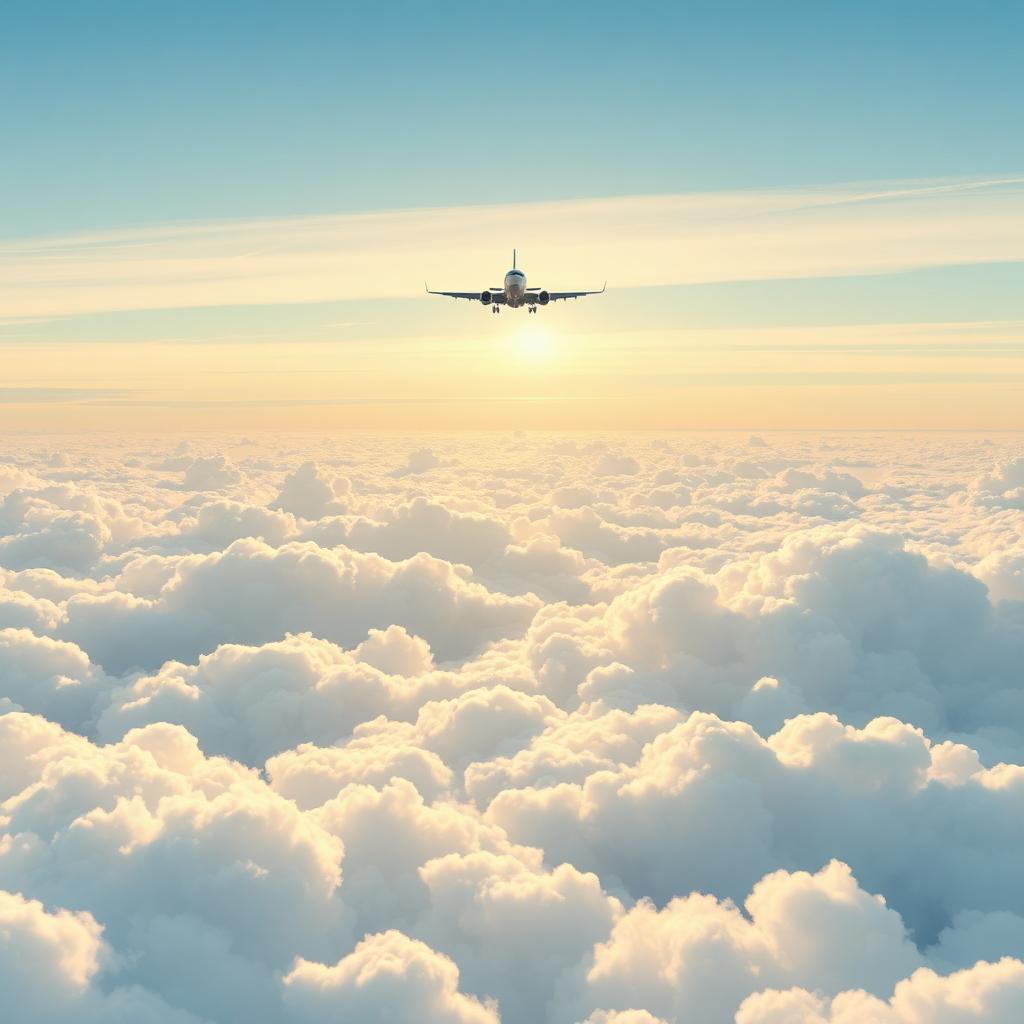
Этот пост был написан под впечатлением от забавного вопроса, который появился в моих сторис: «Почему пилоты мигают фарами друг другу?», с двумя вариантами ответа — чтобы поздороваться или чтобы предупредить о приближении пункта контроля скорости, установленного службой управления воздушным движением.
Я и представить себе не мог, что половина респондентов всерьёз выберет второй вариант. Но раз тысячи людей действительно его выбрали, думаю, мне нужно это объяснить.
В небе нет дорожных полицейских
Конечно, в небе нет «гаишников», которые бы отслеживали превышение скорости или что-либо другое. Диспетчеры воздушного движения также не выполняют функции контроля за соблюдением правил или наказания за их нарушение. Их задачи совсем другие.
Система саморегулирования
Авиация представляет собой саморегулируемую систему, которая не требует внешнего контроля, например, за скоростью. Проще говоря, пилотов не нужно контролировать — никому из них и в голову не придет превысить скоростной лимит или какие-либо другие ограничения.
В авиации существует культ безопасности, и если бы на место капитана мог сесть человек, способный превысить скоростной лимит или отказаться соблюдать другие правила, вся система авиационной безопасности оказалась бы бесполезной. Ему просто нельзя было бы доверять сотни миллионов евро и жизни от 100 до 500 человек.
В авиации, в отличие от жизни на земле, нет необходимости в полиции. В этой системе правила тщательно соблюдаются без какого-либо внешнего контроля, поскольку цена их нарушения может быть очень высокой.
Что это говорит о тревожном мышлении
Столь высокий процент людей, выбравших второй вариант, свидетельствует о том, насколько сильным является недоверие у людей, склонных к тревоге. «Я не верю, что кто-то будет соблюдать правила без контроля».
Поэтому идея «регулирования скорости» в небе кажется им вполне логичной.
Основа работы с боязнью полетов на наших курсах заключается, прежде всего, в том, чтобы уменьшить это общее недоверие к жизни. Спокойные полеты — лишь приятный бонус к тем большим переменам, которые приносит обретенная способность доверять.