Все не так близко, как кажется
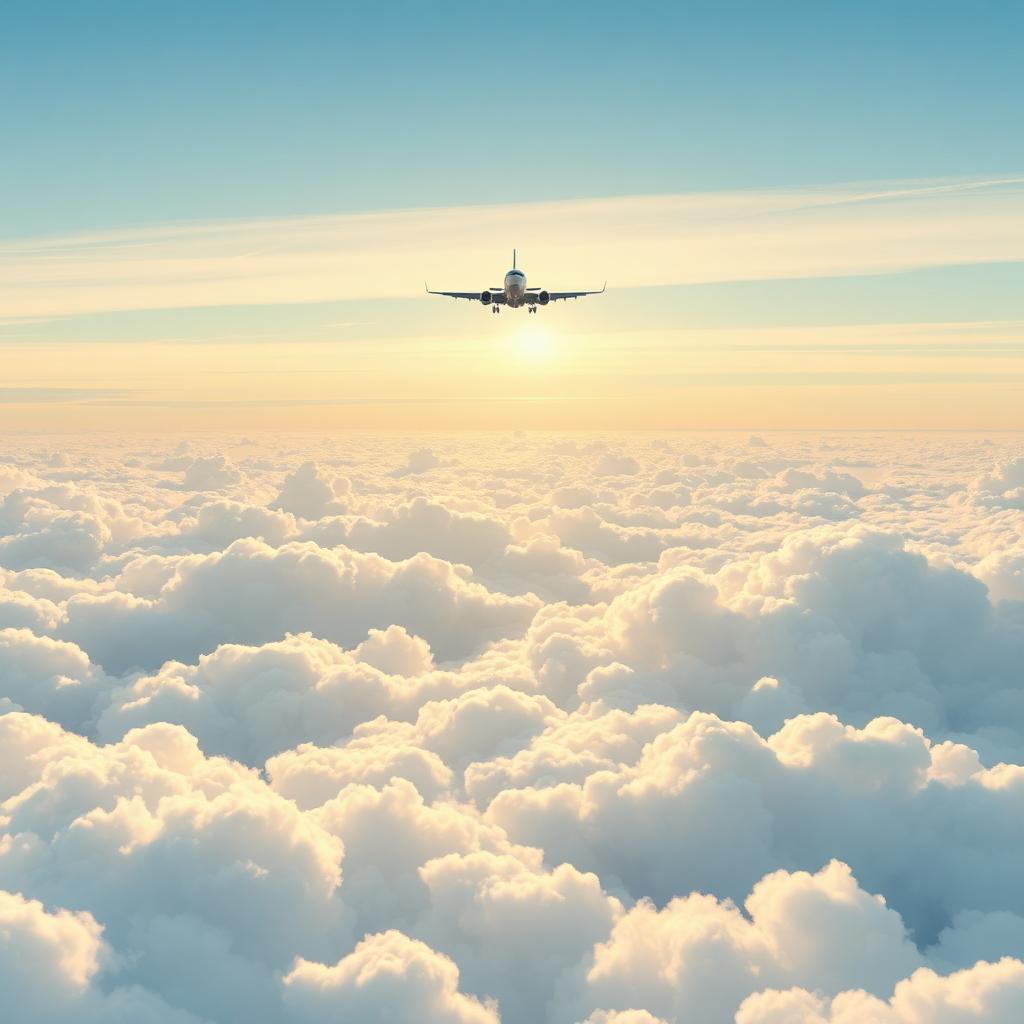
Сегодня я хочу рассказать вам о том, почему самолеты летают в небе «так близко друг к другу». Может показаться, что это очень опасно, правда?
Но на самом деле всё обстоит не так, как кажется. Дело в том, что воздушное пространство огромно, и для его наиболее эффективного использования самолеты летают на определённых высотах и соблюдают строго установленные вертикальные и горизонтальные расстояния друг от друга.
Стандарты безопасности
Конечно, существуют определенные правила и стандарты безопасности, которые необходимо соблюдать:
- Если самолеты летят на одной высоте, расстояние между ними должно составлять не менее 5 километров
- Если их высоты различаются, вертикальное расстояние должно составлять не менее 300 метров
TCAS: ваш страж в небе
Кроме того, самолеты оснащены специальными системами безопасности, которые помогают им избегать столкновений друг с другом. Например, система TCAS (Traffic Collision Avoidance System) обнаруживает приближение других воздушных судов и может даже автоматически изменить траекторию полета, чтобы избежать столкновения.
Кроме того, основная задача авиадиспетчеров заключается в обеспечении интервалов между воздушными судами, чтобы предотвратить опасное сближение. Им также помогают компьютерные системы, которые предупреждают о любых потенциальных случаях сближения.
Правила по летным уровням
Кроме того, самолеты, летящие в противоположных направлениях, всегда находятся на разных уровнях полета: например, самолеты, летящие на восток, летят на нечетных уровнях (33 000 футов, 35 000 футов, 37 000 футов и т. д.). Самолеты, летящие по западным курсам, летят на четных уровнях (32 000 футов, 34 000 футов, 36 000 футов и т. д.).
Вблизи аэропортов самолеты летают по стандартным схемам: существуют отдельные процедуры для захода на посадку, вылета и ухода на второй круг, и эти процедуры никогда не пересекаются.
По всем этим причинам воздушное пространство используется четко и безопасно.