Вернуться в Академию
    Психология страха

    Психологическая ловушка: «А вдруг что-то пойдет не так»

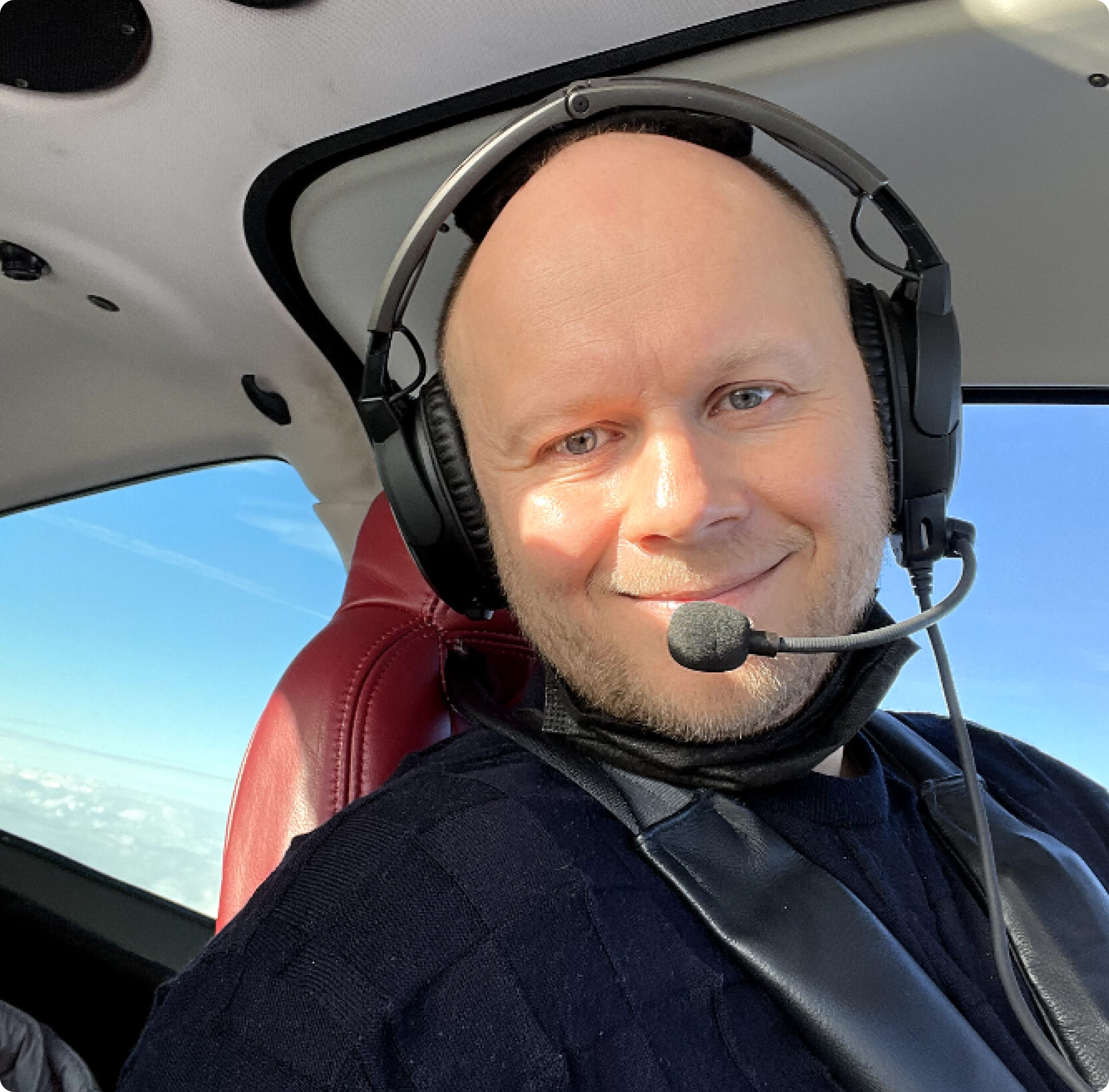
    Автор: Алекс Герваш, пилот коммерческой авиации (31 год) и специалист по лечению страха перед полетами (18 лет, более 16 000 пролеченных случаев)

    Разбор моделей мышления, которые заставляют людей, боящихся летать, пребывать в состоянии тревоги, и объяснение того, почему это не имеет никакого отношения к реальной безопасности.

    Психологическая ловушка: «А вдруг что-то пойдет не так»

    The Second Trap in the Mindset of a Fearful Flyer

    Today we dissect a second trap in the mindset of a fearful flyer — "Yet something can go wrong". Or an alternative, "Yet something can happen."

    First, you're absolutely right. Yes, something "can go wrong" and yes, anything "can happen".

    Aviation's Built-In Redundancy

    An airplane, for example, consists of 6,000,000 parts, and it would be illogical to assume that all 6,000,000 parts will always work perfectly.

    However the people who designed this plane were aware that something can "go wrong". That is why every aviation system that affects flight safety is duplicated, and often more than once.

    Smart people, when they design and operate aircraft, necessarily assume that something "can go wrong." The entire aviation system is geared to the fact that in cases when something "goes wrong", there are other systems and clear algorithms to prevent the transformation of "went wrong" into a serious problem.

    The Problem With This Thinking

    In general, the idea "yet something can happen" is very problematic. Think about it, since anything can happen, anytime, anywhere. If you live with ideas like "yet it can happen...", then very soon there will come a time when you won't be able to leave the house, because "it can happen..."

    However, I hope you don't think that way outside of the plane. Leaving the house, you don't think "what if something goes wrong with some random truck driver on the oncoming lane", do you? Or "what if a brick falls on my head"?

    Then why are such thoughts acceptable to you on the plane?

    The Real Root of the Problem

    All of that, my friends, is because you need an explanation, a justification of your own fear. This is how we all are made – if we have feelings, they must have a justification.

    For example, when we fall in love, we endow the object of our adoration with a million "incredible" and "unique" features. "If I feel fear on the plane, I need to find out why it is justified."

    Well, the one who seeks, will always find. And now the thought "what if something goes wrong" seems very "logical".

    Obviously, the root of the problem is not in the fact that "something can happen". It is in a general distrust of life.

    Вкратце

    Разбор моделей мышления, которые заставляют людей, боящихся летать, пребывать в состоянии тревоги, и объяснение того, почему это не имеет никакого отношения к реальной безопасности.

    Часть цикла: «Психология страха перед полетами»

    Связанные статьи

    Иллюзия контроля: почему умение отпустить ситуацию — это безопасно

    Иллюзия контроля: почему умение отпустить ситуацию — это безопасно

    Контроль в нашей повседневной жизни — это в основном иллюзия. Ваш страх в самолете на самом деле связан не с самолетом — он проистекает из вашего прошлого.

    Миф о контроле: что мы на самом деле можем контролировать в жизни

    Миф о контроле: что мы на самом деле можем контролировать в жизни

    Невозможно потерять то, чего у тебя никогда не было. Мы практически ничего не можем контролировать в жизни, но большинству из нас это не мешает.

    Почему мы боимся летать: скрытая связь с вашим прошлым

    Почему мы боимся летать: скрытая связь с вашим прошлым

    Возможно, ваш страх перед полетами вообще не связан с самолетами. Когда вы испытываете беспокойство в самолете, ваш мозг на самом деле реагирует на что-то из вашего прошлого.

    Почему вы считаете, что именно вы — «тот самый»: как разобраться в этом предубеждении

    Почему вы считаете, что именно вы — «тот самый»: как разобраться в этом предубеждении

    Каждую секунду в мире взлетают два самолета. Так почему же так много людей верят, что именно с ними произойдет беда, когда что-то пойдет не так?

    Алекс Герваш — эксперт по страху перед полетами и пилот

    Об авторе

    Алекс Герваш

    Пилот и специалист по летательному страху

    • Пилот коммерческой авиации (31 год опыта работы в авиации)
    • Имеет образование в области психологии и терапии травм (EMDR, Somatic Experiencing)
    • Основатель phobia.aero и приложения SkyGuru

    Alex Gervash leverages a unique dual perspective as a commercial pilot with 31 years of experience and a trauma therapy specialist with 18 years of psychology expertise. Having helped over 16,000 individuals overcome aerophobia, he utilizes advanced modalities like EMDR and polyvagal theory to help passengers regulate the autonomic nervous system during flight anxiety. As the creator of the SkyGuru app, which serves 200,000+ users, Alex provides comprehensive flight fear treatment by ensuring turbulence explained through data-driven insights. His specialized aerophobia therapy is designed to eliminate panic attacks on planes, offering a permanent solution for those struggling with airplane phobia or chronic aviophobia.

    16,000+помог
    Признание со стороны ООНСтраны
    31 годавиация
    Экспертопыт