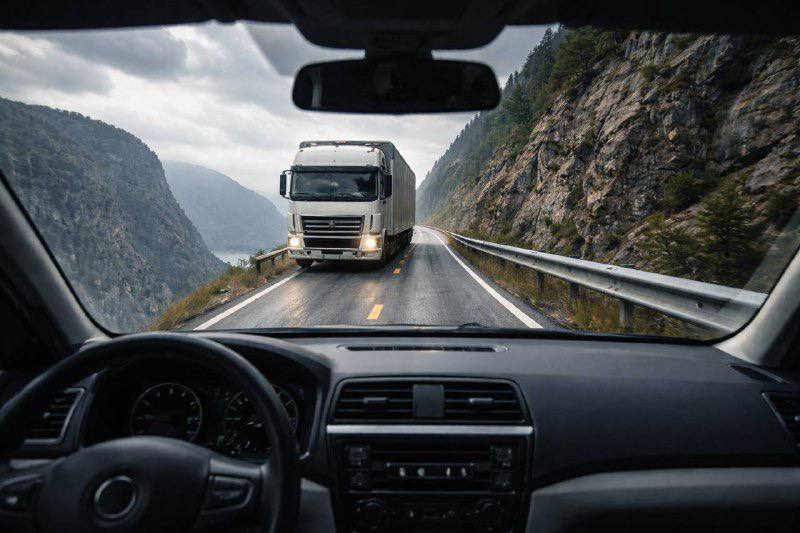
Нам нужно поговорить о контроле, потому что именно с этого часто начинается беспокойство. Вы сидите в кресле и чувствуете себя совершенно беспомощным. Вы не можете управлять самолетом. Вы не можете затормозить. Вы не можете открыть дверь. Это отсутствие возможности влиять на ситуацию вызывает ужас, потому что ваш мозг отождествляет контроль с безопасностью. Если я все контролирую, то я в безопасности. Если я не контролирую ситуацию, то я в опасности.
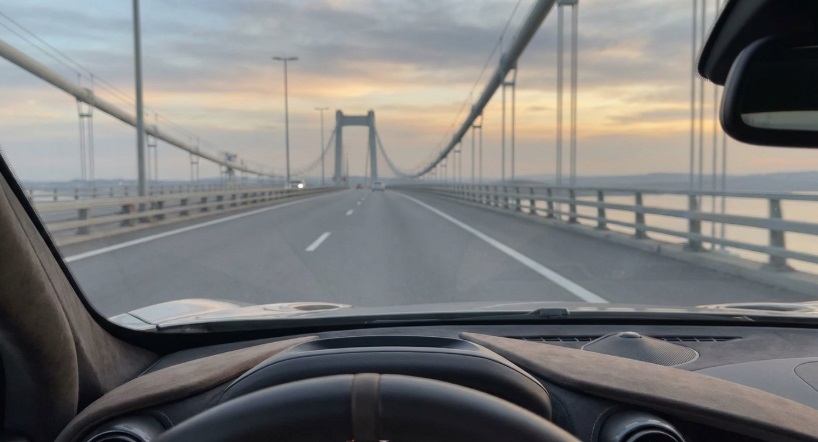
Давайте посмотрим на это честно. Контроль в нашей повседневной жизни — это в основном иллюзия. Нам кажется, что мы его имеем, но на самом деле это редко бывает. Представьте, что вы едете по узкому туннелю. Бетонные стены находятся в нескольких сантиметрах от ваших зеркал. Огромные грузовики мчатся на вас по встречной полосе со скоростью 100 километров в час. Всего пятьдесят сантиметров отделяют вас от лобового столкновения. Если тот водитель чихнет или на секунду отвлечется на свой телефон — все кончено. Вы не имеете никакого контроля над этим водителем или его грузовиком. И все же вы едете по туннелям без паники.
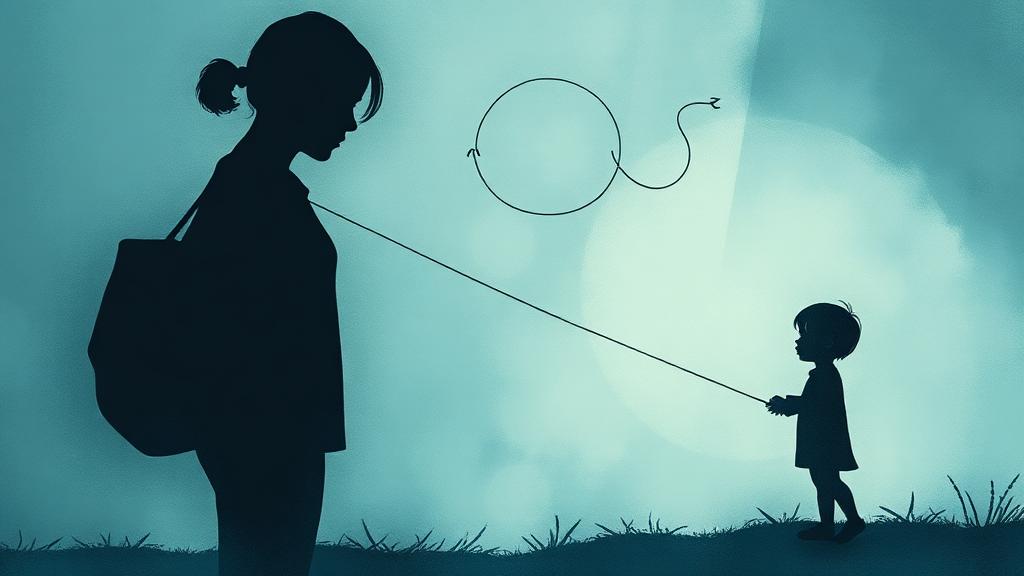
Ваш страх в самолете на самом деле связан не с самолетом. Он проистекает из вашего прошлого. Если вы росли в среде, где авторитетные фигуры не заслуживали доверия или где вам приходилось проявлять чрезмерную бдительность, чтобы выжить, ваша нервная система усвоила суровый урок. Она поняла, что безопасность существует только тогда, когда вы сами держите руль в руках. Самолет задевает эту старую рану.
Реальность же совсем иная. Авиация устроена так, чтобы функционировать без вашего участия. Два пилота контролируют действия друг друга. Автоматизированные системы отслеживают каждый параметр. Существуют международные стандарты, обеспечивающие единообразие. Системе не нужно, чтобы вы держали её на плаву.
Цель терапевтической работы заключается в том, чтобы понять: «потеря контроля» — это миф, потому что у вас его и не было с самого начала. Вы можете перестать бороться за невозможный контроль над машиной. Вы можете начать управлять тем, что действительно поддается вашему управлению. Вы контролируете своё дыхание. Вы контролируете напряжение мышц. Вы контролируете своё внимание. Самолёт будет лететь, беспокоитесь вы об этом или нет.