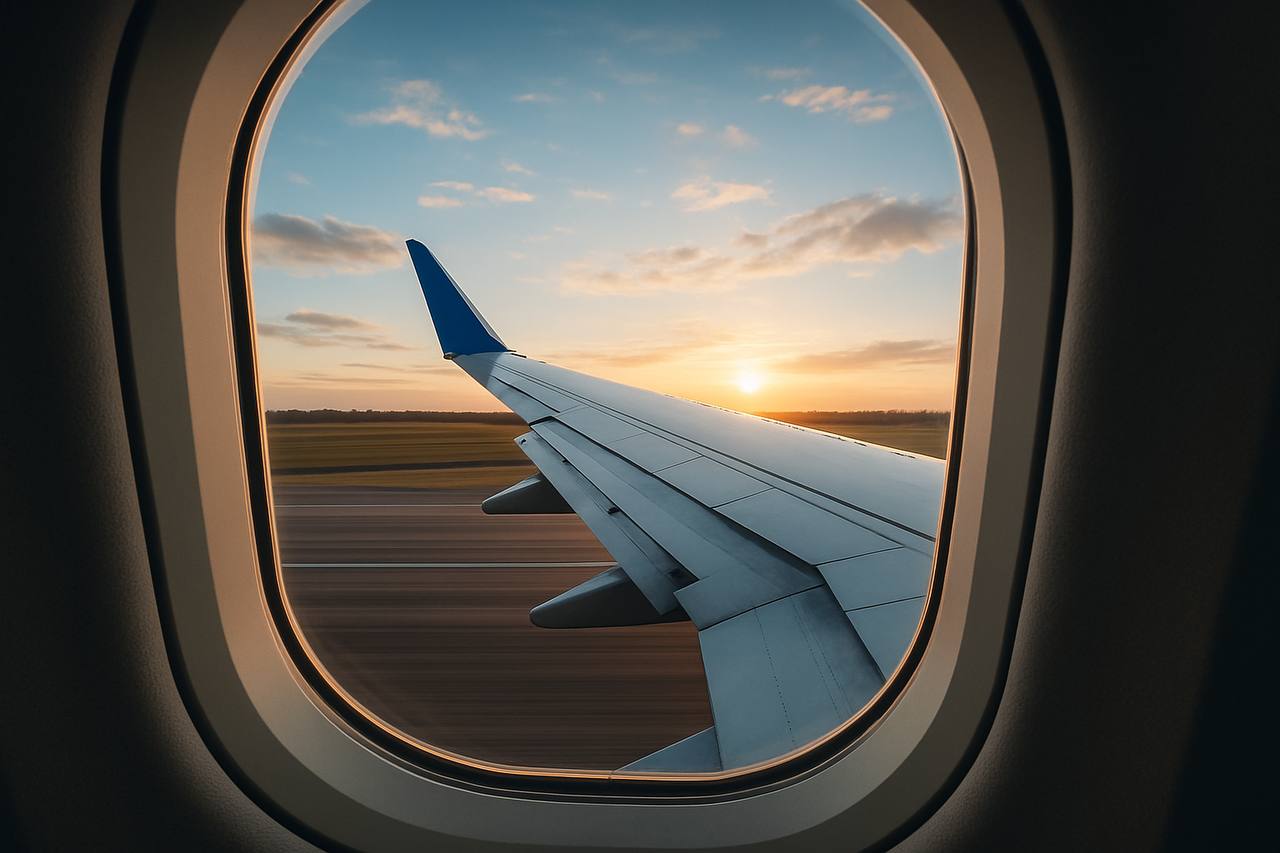
Первое, что приходит на ум, — это то, что взлет и посадка считаются наиболее опасными этапами полета. Но действительно ли это причина?
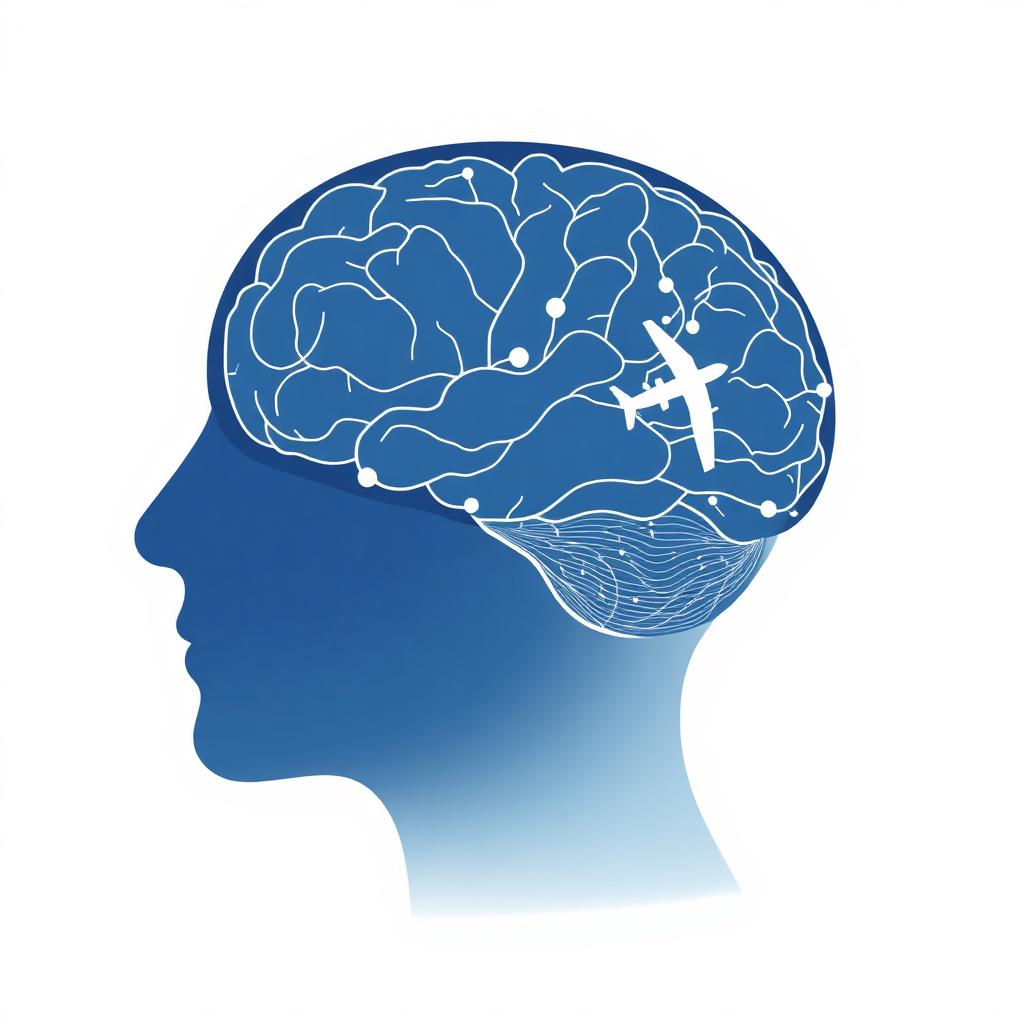
Взлет может вызвать сенсорную перегрузку — ведь множество картинок, звуков и ощущений возникают одновременно и меняются с еще большей скоростью. Разум не успевает это осознать и запускает систему тревоги. Если у вас налажены навыки самоуспокоения, это не проблема: вы быстро успокоитесь. Но если нет — тревога может перерасти в приступ паники.
Еще одной причиной страха перед взлетом является невозможность спастись. Некоторые люди просто не могут позволить себе утратить контроль. Если эта иллюзия разрушается, им нужна возможность спастись. Взлет — это момент, когда у пассажира, боящегося полетов, физически отнимается возможность убежать.
Земля воспринимается как нечто устойчивое и надежное. Потеря этой привычной опоры во время взлета может восприниматься нашим мозгом как угроза.
Кроме того, шум двигателей во время взлета сопровождается очень высокими и низкими частотами, которые в нашем сознании ассоциируются с опасностью. Если нервная система пассажира находится в состоянии дисбаланса, эти частоты могут восприниматься как еще один сигнал «опасности» и, следовательно, вызывать чувство страха и, как следствие, реакцию «борьба или бегство».
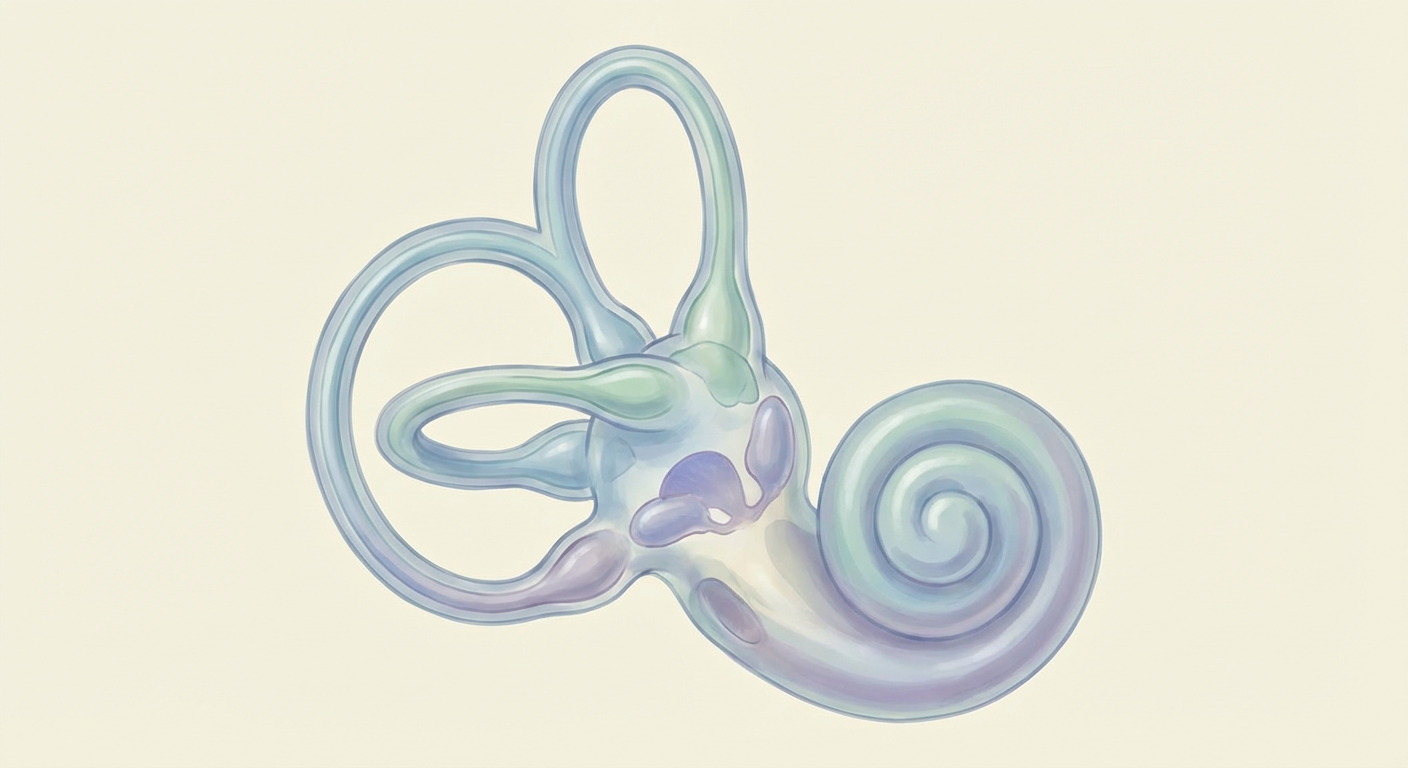
Облака усугубляют чувство дезориентации. Когда исчезает визуальный контакт с землей, мозг теряет внешнюю точку опоры, что усиливает дезориентацию и тревогу.
И, наконец, что не менее важно, взлет активирует нейронные связи, связанные с психологическими травмами. Это может быть связано с различными фрагментами травматических событий, сохранившимися в фрагментарной памяти, такими как изоляция, нестабильность и чувство покинутости из нашего детства.
Тревога во время взлета не связана с какими-либо измеримыми фактами или логикой. Это естественная реакция нервной системы — неприятная, но нормальная.
Хорошая новость: это можно изменить. Нервную систему можно научить реагировать по-другому. И однажды взлет перестанет быть самым сложным моментом, а станет просто началом нового путешествия.