Наземное существо в небе
Человек — существо, привязанное к земле. На протяжении миллионов лет мы передвигались лишь в двух измерениях.
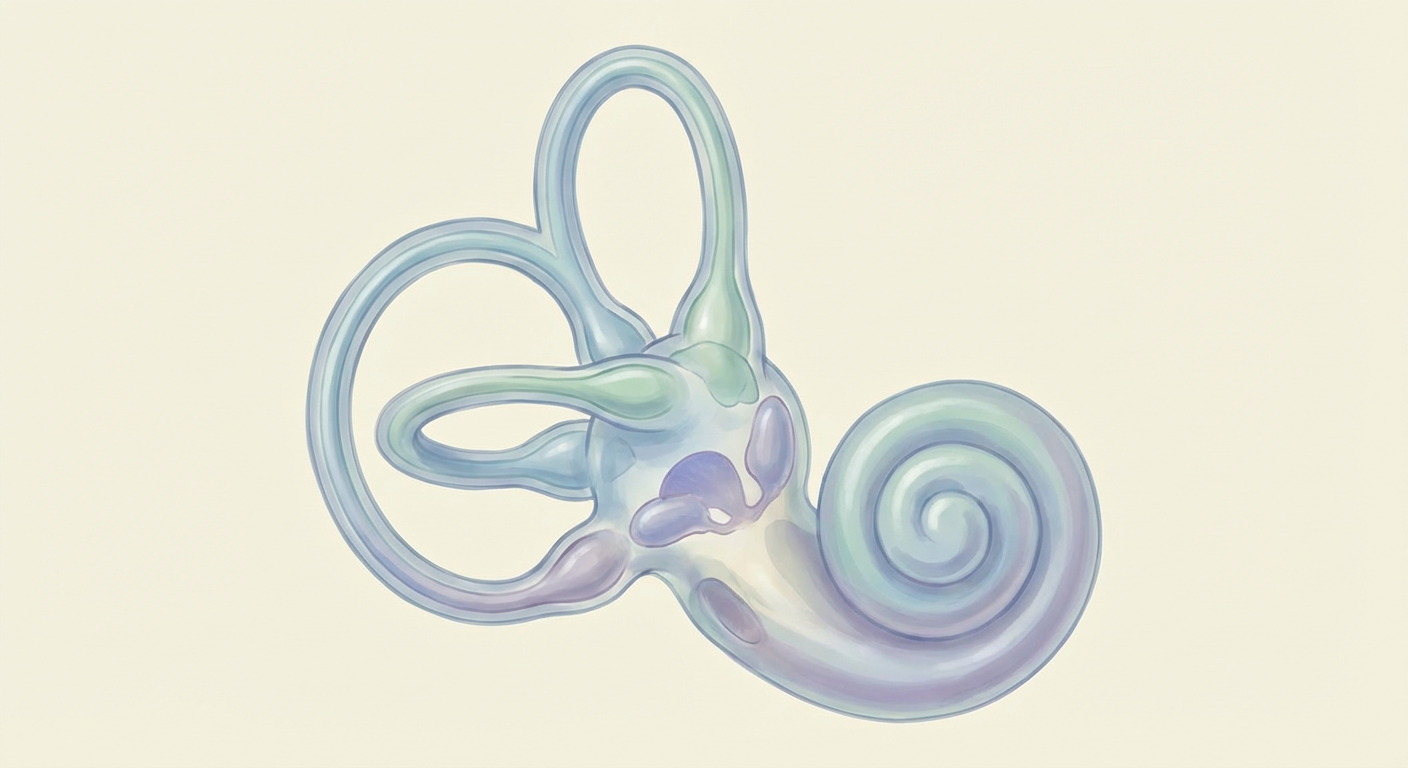
Наша вестибулярная система имеет всего три канала и способна точно отслеживать положение тела в пространстве в трёх геометрических плоскостях: наклон в стороны, наклон вперёд и назад, а также поворот влево и вправо.
Полеты — это новое испытание для нашего организма
Однако в полете существует шесть геометрических плоскостей. Перемещение по высоте появилось на заре авиации, всего 120 лет назад. Полет — это совершенно новое явление для человечества.
Неудивительно, что наша вестибулярная система не справляется с этим. Она не понимает, что такое угловое ускорение, вертикальная скорость и движение в трёх измерениях и шести плоскостях. Именно поэтому вестибулярная система неверно интерпретирует многие нормальные процессы.
Иллюзия «падения»
Вот пример: до высоты 1500 футов самолет активно набирает высоту. После этого пилоты уменьшают мощность, и скорость набора высоты снижается.
В этот момент создается ощущение, что самолет падает!
Если мы доверяем жизни, мы сохраняем относительное спокойствие. Но если нет, то такое «падение» становится триггером, который запускает систему страха, вплоть до панической атаки. Нам кажется, что мы падаем, и нужно немедленно что-то предпринять: крепко ухватиться за подлокотники или убежать, чтобы выжить. А поскольку убежать невозможно, паника только усиливается.
Данные говорят о другом
В то же время данные полетного радара не показывают никакого снижения. Мы продолжаем лететь так же, как и раньше. Просто наш вестибулярный аппарат дал сбой. Раньше мы набирали высоту чуть быстрее, а сейчас — чуть медленнее.
Изменилась вертикальная скорость, и наша вестибулярная система не может правильно ее отслеживать. Во время полета происходит в общей сложности 6 таких ошибок вестибулярной системы, которые мы анализируем на занятиях.
Предупрежден — значит вооружен. Это понимание вносит свой вклад в работу по преодолению страха перед полетами, хотя основой, конечно же, является работа с психикой, а не с неосознанностью.