Написано Алексом Гервашем, коммерческим пилотом (31 год опыта) и специалистом по аэрофобии (18 лет опыта, более 16 000 вылеченных случаев)
Согласно поливагальной теории, когда мы воспринимаем опасность во время полета, наш мыслящий мозг буквально отключается. Понимание того, в каком состоянии нервной системы вы находитесь, — это первый шаг к возвращению в безопасное состояние.
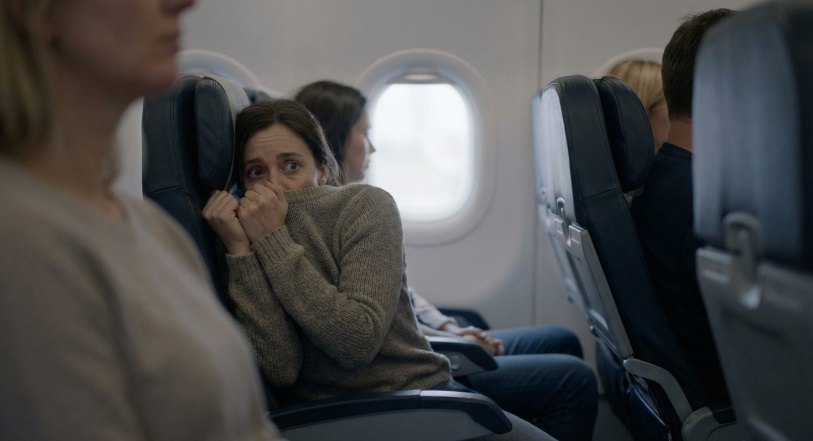
Вам когда-нибудь казалось, что во время взлёта вы совершенно теряете голову? Что вы не можете ясно мыслить, не можете вспомнить известные вам правила безопасности и не можете успокоить себя?
В этом есть научное объяснение: ваш мыслящий мозг перешел в режим ОФЛАЙН.
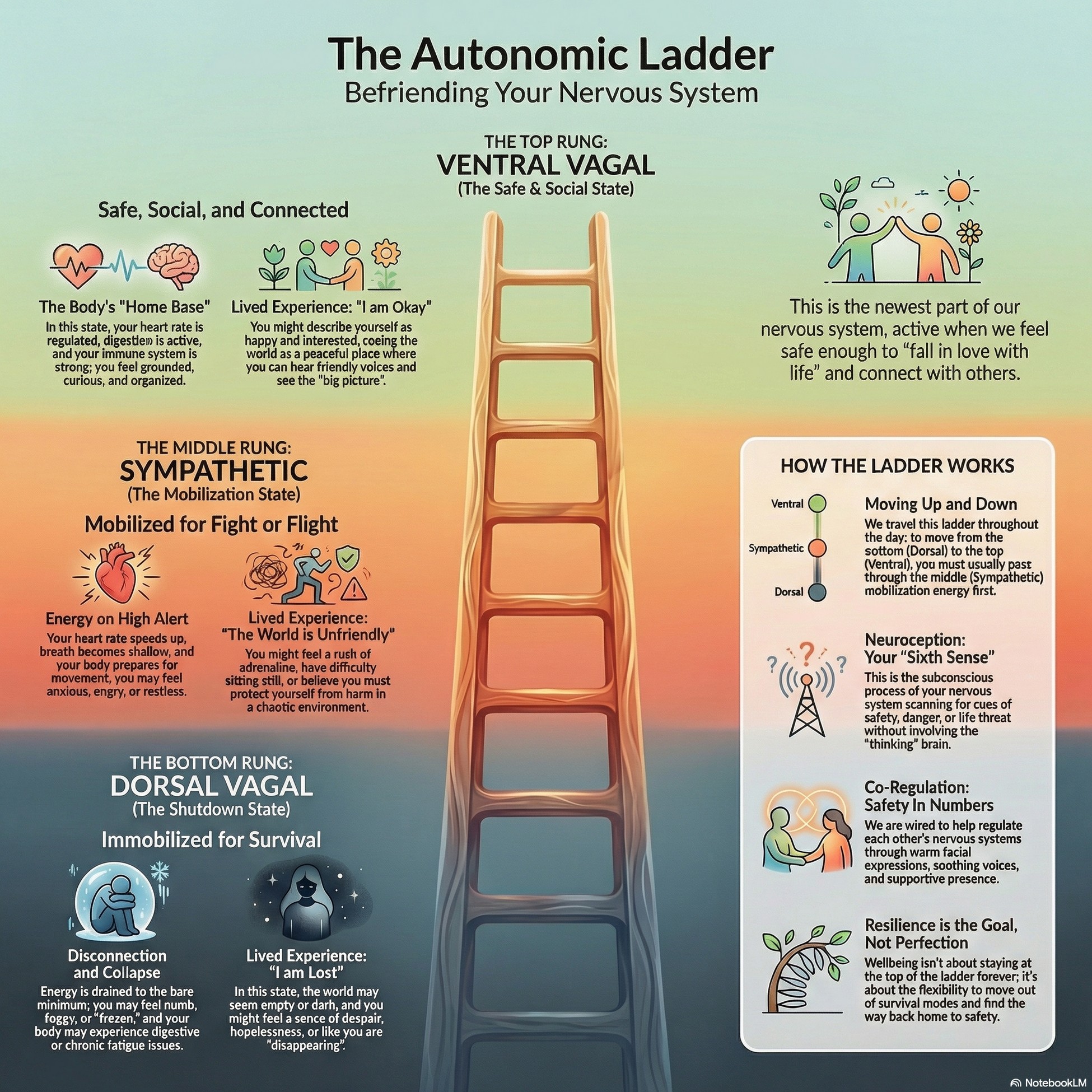
Согласно теории поливагальной системы, разработанной доктором Стивеном Порджесом, когда мы ощущаем опасность, наша нервная система может реагировать тремя способами:
ВЕНТРАЛЬНЫЙ ВАГУС (Безопасность и социальные связи): Вы чувствуете спокойствие, связь с окружающими и способность ясно мыслить. Именно в таком состоянии вы хотите находиться.
СИМПАТИЧЕСКАЯ НЕРВНАЯ СИСТЕМА (реакция «борьба или бегство»): Сердце бьётся чаще, мышцы напрягаются, вы чувствуете прилив энергии. Вы испытываете беспокойство, но всё ещё способны действовать.
ДОРСАЛЬНЫЙ ВАГУС (Замирание/Отключение): Вы чувствуете оцепенение, отрешенность, как будто оказались в ловушке. Пора отключиться и сберечь силы.
Во время приступа паники в самолете вы уже не руководствуетесь своим «мыслящим мозгом». Вами управляет «рептильный мозг» — древняя часть мозга, которая знает только одно: «Я сейчас умру».
В этом состоянии:
❌ Логика не срабатывает
❌ Рациональные мысли не имеют никакого смысла
❌ Вы не можете вспомнить ничего полезного
❌ Ты просто... не здесь
Хорошая новость? Понимание того, в каком состоянии вы находитесь, — это первый шаг к тому, чтобы снова обрести душевное равновесие.
Вкратце
Согласно поливагальной теории, когда мы воспринимаем опасность во время полета, наш мыслящий мозг буквально отключается. Понимание того, в каком состоянии нервной системы вы находитесь, — это первый шаг к возвращению в безопасное состояние.
Алекс сочетает 31 год глубокой экспертизы в области авиационной безопасности с почти двадцатилетним клиническим опытом, успешно помогая более чем 16 000 человек справиться со сложными проявлениями авиофобии. Как специалист по летафобии, Алекс использует научно обоснованные стратегии, такие как терапия EMDR, соматический опыт и когнитивно-поведенческая терапия, чтобы помочь каждому нервному пассажиру перестроить свою физиологическую реакцию на воспринимаемую опасность. Этот уникальный опыт позволяет ему оказывать индивидуальную поддержку во время полета и предлагать практические инструменты, которые превращают фобию самолетов в длительное комфортное путешествие. Будь то в качестве профессионального сопровождающего на борту или в рамках дистанционного коучинга, Алекс остается ведущим экспертом в области возвращения радости путешествий.
Эксперт в областях: страх полетов, лечение аэрофобии, специалист по тревоге в полете, терапия страха турбулентности, панические атаки в самолете, авиафобия, фобия полетов, поддержка тревожных пассажиров, тревога при взлете, страх посадки, лечение фобии самолетов. Доказательное лечение с использованием соматического переживания, EMDR-терапии, поливагальной регуляции, регуляции вегетативной нервной системы и травма-ориентированной помощи.