Телесные ощущения: почему учащенное сердцебиение не является признаком опасности
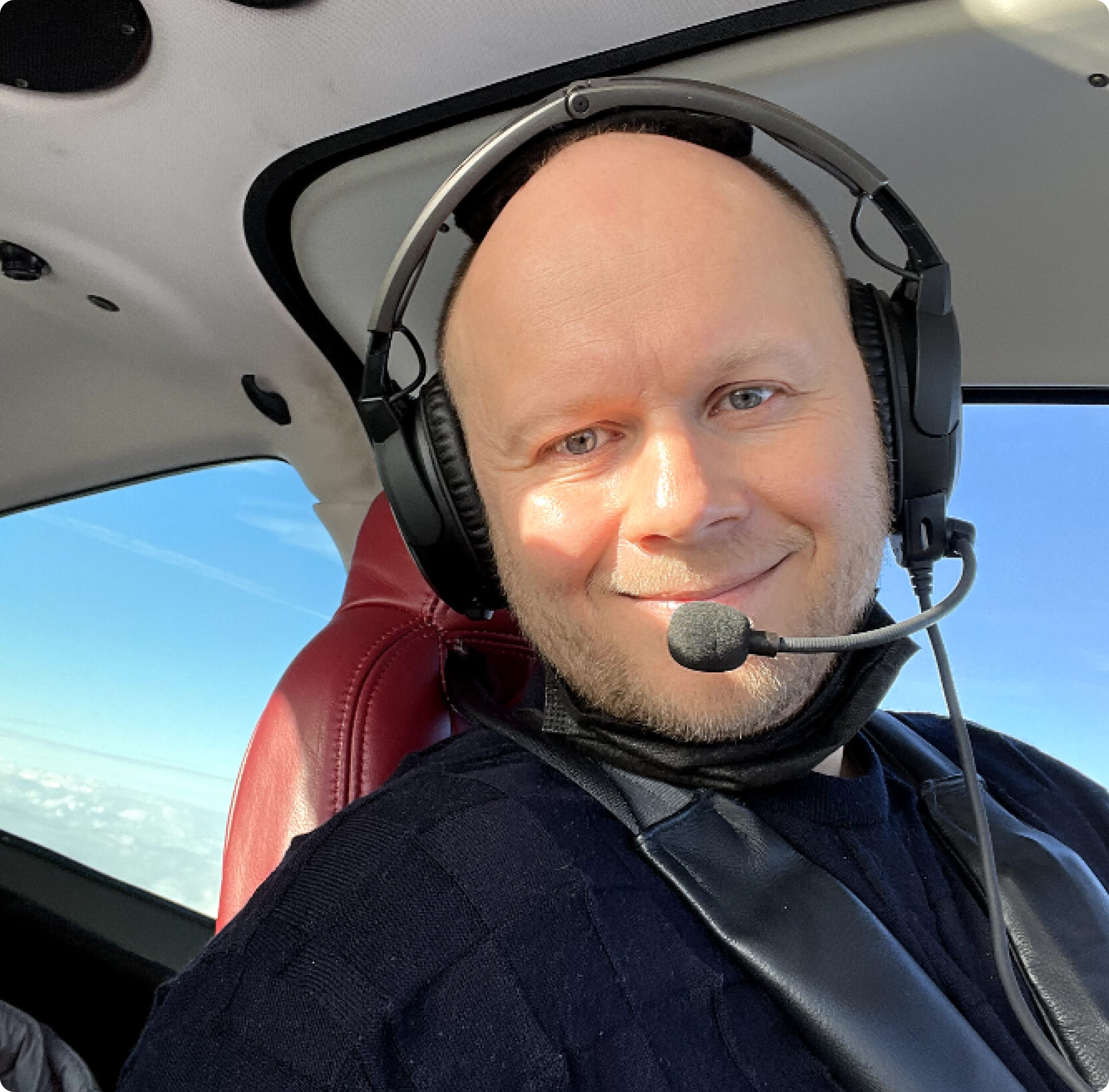
Автор: Алекс Герваш, пилот коммерческой авиации (31 год) и специалист по лечению страха перед полетами (18 лет, более 16 000 пролеченных случаев)
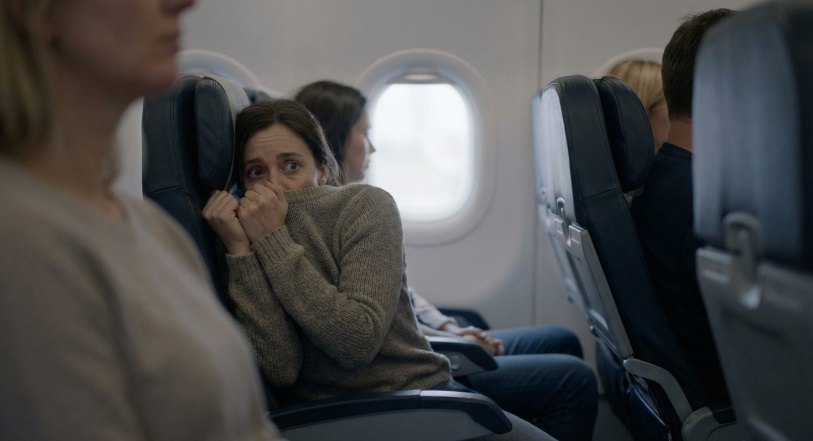
Вы воспринимаете учащенное сердцебиение как признак приближающегося коллапса. Это не симптомы умирания — это симптомы того, что организм готовится к выживанию.
"I am going to have a heart attack." "My body cannot take this." "I will stop breathing." These are the thoughts that come when the physical symptoms of fear kick in. You interpret a racing heart as a sign of imminent physical collapse.
Let's look at the physiology. Fear releases adrenaline. This is fuel. It is designed to help you run faster or fight harder. It increases your heart rate to pump oxygen to your muscles. It makes you sweat to cool your body down during exertion. It makes you breathe faster to get more air. These are not symptoms of dying. They are symptoms of a body preparing to survive.
Think about a roller coaster. People scream. Their hearts pound. They are terrified. Does anyone die of a heart attack from the emotion? No. Think about a gym workout. Your heart rate goes up to 150 or 160. Do you panic? No. You know it is exercise. On the plane your body is doing the exact same thing but you are interpreting it as danger because you are sitting still.
This error often comes from childhood experiences where you were left alone in your fear. If you were never soothed then panic felt life-threatening. It felt like your little body would break. But you are an adult now. Your body is strong. An emotion only lasts about 90 seconds chemically if you do not feed it with scary thoughts. If you stop adding the "I am dying" story the physical wave will pass. It is uncomfortable but it is not dangerous.
Вкратце
Вы воспринимаете учащенное сердцебиение как признак приближающегося коллапса. Это не симптомы умирания — это симптомы того, что организм готовится к выживанию.
Пилот коммерческой авиации (31 год опыта работы в авиации)
Имеет образование в области психологии и терапии травм (EMDR, Somatic Experiencing)
Основатель phobia.aero и приложения SkyGuru
Drawing on 31 years of commercial pilot perspective and deep psychology and trauma therapy expertise, Alex Gervash provides a unique approach to flight fear treatment at phobia.aero. He has guided over 16,000 individuals through the complexities of the autonomic nervous system and somatic experiencing to help every nervous flyer understand why physical sensations, like a racing heart, are not signs of danger. As the creator of the SkyGuru app—a digital flight companion serving over 200,000 users—Alex specializes in demystifying aviophobia by ensuring turbulence explained through technical data alleviates the biological triggers of panic. His work bridges the gap between the cockpit and clinical insight, offering a comprehensive path to freedom from flight-related anxiety.
Специалист по: страху перед полетами, лечению аэрофобии, лечению тревоги во время полета, терапии страха перед турбулентностью, паническим атакам в самолете, авиофобии, фобии полетов, поддержке пассажиров, испытывающих нервозность во время полета, тревоге при взлете, страху перед посадкой, лечению фобии самолетов. Лечение, основанное на научных данных, с использованием метода соматического переживания, терапии EMDR, поливагальной регуляции, регуляции вегетативной нервной системы и подхода, учитывающего травматический опыт.